
Decorative Trees for Poolside Bliss
By Celia Fairchild / Oct 04
Are you struggling to make the most out of a narrow outdoor space? Transforming cramped yards into stunning retreats is entirely possible with creativity and thoughtful design strategies. Dive into these key takeaways to unlock the potential of your limited area!
Explore essential strategies that enhance both functionality and aesthetics, perfect for transforming limited outdoor spaces.
Maximizes limited ground space while adding lush greenery and visual interest.
Offer flexibility, allowing you to easily rearrange plants as seasons change or your style evolves.
Enhance functionality and make your space feel larger by creating distinct areas.
Visually elongate your yard, creating an illusion of more space.
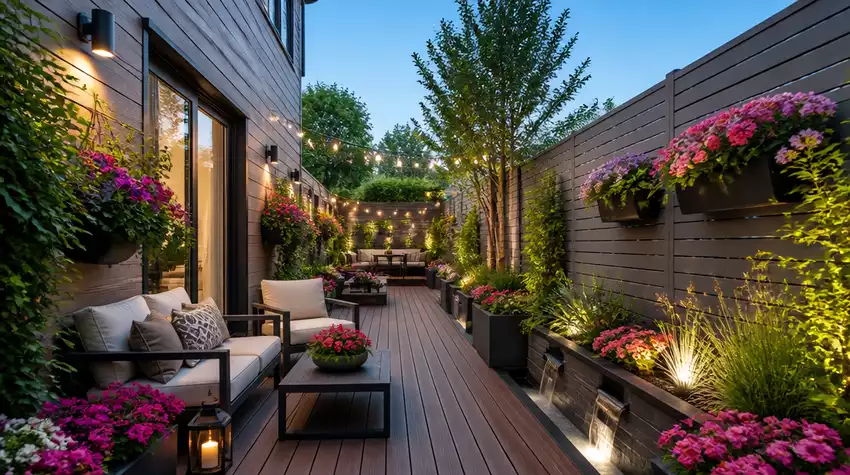
Do you have a narrow yard that feels cramped? You're not alone! Many homeowners face the challenge of designing beautiful outdoor spaces in limited areas. However, with a little creativity and the right strategies, you can transform that narrow space into a stunning and functional garden retreat that reflects your unique style.
In this article, I'll share my favorite ideas and tips for making the most of narrow yards. From vertical gardens to clever furniture choices, I’ll guide you through innovative design concepts that can maximize your space while maintaining beauty and functionality.
Narrow yards often come with their own set of challenges. One of the biggest hurdles is making the space feel open rather than cramped. Limited width can restrict plant choices and layout options. But don't worry! With thoughtful planning, these challenges can turn into opportunities for creativity. For more insights on maximizing smaller areas, explore elegant shrubs for small gardens that thrive in compact spaces.
Additionally, achieving a balance between aesthetic appeal and functionality is crucial. You want your garden to be a beautiful escape, but it also needs to serve its purpose. This requires careful selection of plants, pathways, and furniture to ensure the space feels inviting and comfortable.
When working with narrow spaces, it’s essential to think vertically. Utilizing vertical space can really change the game. Here are some effective ways to maximize your limited area:
With these techniques, you can create layers of greenery that draw the eye upward, making your yard feel more spacious.
To create a yard that is both functional and visually pleasing, careful design choices are key. Consider these tips for maintaining that balance:
By focusing on both form and function, you can create a harmonious environment that feels just right for relaxing and entertaining.
Now that we've tackled the challenges, let's explore some *inspirational ideas* that can help you craft a stunning narrow yard. These concepts are perfect for anyone looking to breathe new life into their outdoor spaces.
Vertical gardening is a fantastic solution for narrow yards! It allows you to incorporate a variety of plants without taking up precious ground space. Climbing vines, wall planters, and even tiered plant stands can add depth and interest to your garden. To learn more about maximizing vertical potential, check out ideas for enhancing outdoor spaces with vertical gardens.
Here are some popular plants that thrive in vertical gardens:
These choices not only beautify your space but also create a lush environment!
Container gardens can be a game-changer for narrow yards! They offer flexibility and can easily be rearranged to suit your needs. By using pots of various shapes and sizes, you can create a dynamic space that keeps your garden feeling fresh and inviting.
With container gardens, you can enjoy the beauty of greenery without the limitations of fixed planting.
Want to make your narrow yard feel larger? Try incorporating diagonal pathways! These paths draw the eye along a natural line, creating an illusion of depth. They can make your space feel more inviting and encourage exploration.
Diagonal pathways can transform your garden into a more engaging and open environment.
Creating defined zones within your narrow yard can help maximize its functionality. Think about how you want to use the space and design areas for specific activities. Here are some ideas:
By establishing these zones, you’ll create a sense of organization and purpose in your yard.
When selecting outdoor furniture for narrow spaces, opt for pieces that fit the scale of your yard. Look for sleek designs that won't overwhelm the area. Here are some tips for choosing the right furniture:
Comfortable and stylish furniture can make your outdoor space inviting and enjoyable.
Creating a patio area in a narrow yard can provide a perfect spot for gatherings. Here are some ideas for designing a small yet functional patio:
With careful planning, a patio can become a cozy focal point in your narrow yard!
To ensure your narrow yard design is cohesive and functional, it helps to establish a framework. Think about how people will move through the space and where they’ll want to relax.
Let’s dive into some critical design elements that can help you create an inviting and well-structured garden layout.
Creating clear entry points and circulation paths is essential for helping visitors navigate your narrow yard. Design paths that lead to key areas, such as seating zones and gardens. Consider these tips:
By prioritizing access, you'll make your yard feel more welcoming!
Creating cozy seating areas is vital for enjoying your outdoor space. Make sure to design nooks that invite relaxation. Think about:
These elements can transform a simple nook into a little slice of paradise!
Adding focal points can elevate your garden's design. Consider incorporating a water feature or an art installation that resonates with your style. Here are some ideas:
Focal points not only draw the eye but also enhance the overall beauty of your yard! For more ideas on how to create stunning focal points, explore ornamental trees as focal points in your landscape design.
To create a sense of privacy in your narrow yard, consider adding green walls or privacy screens. These elements can help define your space while providing a lush backdrop. Here’s how you can do it:
These features can make your yard feel more secluded and intimate.
As you plan your narrow yard, it’s important to consider practical factors that can impact your design choices. From budget constraints to plant maintenance, I’ll cover some essential points to keep in mind.
Transforming your narrow yard doesn’t have to break the bank! Here are some budget-friendly ideas to consider:
By being resourceful, you can create a beautiful space without overspending!
Choosing the right plants and materials can make a big difference in how much effort you put into maintenance. Consider these tips:
By planning thoughtfully, you can enjoy your yard with minimal upkeep!
When selecting plants for your narrow yard, consider your local climate. Here are some tips:
Understanding your climate can help you create a thriving outdoor space!
If your schedule is packed, opt for low-maintenance plants that provide beauty without constant care. Some excellent options include:
These plants can help you maintain a stunning garden with less effort! For more tips on maintaining your garden, check out these essential tips for tree care that apply to various garden elements.
As we wrap up our exploration of narrow yard design, it's essential to think about visual planning and layout. A well-thought-out layout can enhance both the look and functionality of your space.
Let’s dive into some practical tips to help you create the perfect layout for your narrow yard!
When planning your narrow yard, consider layout options that maximize the width. Here are some examples:
This approach can help create a visually appealing and organized space.
When selecting furniture for small spaces, compact designs are key! Here are tips for optimizing seating:
Compact furniture can help you create a cozy gathering area without crowding your yard.
Good lighting can make a big difference in how your narrow yard feels at night. Consider these landscape lighting ideas:
Lighting can enhance the ambiance and safety of your outdoor space!
Lastly, pathways are essential for connecting different areas of your narrow yard. Keep these tips in mind:
Well-designed pathways can create a natural flow, making your yard feel more accessible and inviting.
Did you know? Incorporating mirrors into your narrow yard design can create an illusion of depth and space. Position them strategically to reflect greenery and light, making your outdoor area feel larger and more inviting.
A1: The primary challenge is making the space feel open rather than cramped due to limited width. This often restricts plant choices and layout options, requiring creative solutions to maximize visual space and functionality.
A2: Maximizing space in a narrow yard involves thinking vertically. Techniques include installing vertical gardens, trellises with climbing plants, wall-mounted planters for herbs and flowers, and incorporating hanging baskets to add color without occupying ground space.
A3: Diagonal pathways are garden paths designed to run diagonally across the yard instead of straight. They create an illusion of depth and length, making the narrow space feel larger and more inviting by drawing the eye along a natural, elongated line.
A4: To create defined zones, think about how you want to use different sections of your yard. You can designate areas for specific activities like a cozy reading nook, a small dining area, or a potting station. This helps organize the space and enhances its functionality.
A5: For narrow outdoor spaces, it's best to choose compact, sleek, and multi-functional furniture. Examples include lightweight, movable items, benches with hidden storage, and foldable tables and chairs for versatility. This helps maintain comfort without overwhelming the limited area.
As we wrap up our exploration of creative ideas for narrow outdoor spaces, it's important to reflect on the strategies that can truly make a difference in your yard. Whether you have a cozy courtyard or a slim side yard, utilizing the right techniques can transform these areas into inviting retreats! Here’s a recap of key outdoor design ideas, highlighting their benefits for your unique space.
Designing a narrow yard requires careful thought and planning to achieve a harmonious outdoor space. Here are some essential strategies:
Each of these ideas not only optimizes space but also contributes to a sense of flow and harmony, making your outdoor area a true reflection of your personal style. Remember, a well-designed garden can serve as a wonderful backdrop for relaxation and gatherings!
Establishing a seamless connection between different areas of your yard enhances its overall ambiance. Think about how plants, pathways, and seating can work together to create a natural flow. By choosing colors and textures that complement each other, you can create a cohesive look that feels intentional and inviting.
Incorporating elements like low-maintenance plants or even water features can add layers of tranquility, making your yard a peaceful retreat. It’s about crafting a space that resonates with you, and I love seeing how my clients at Ornamental Yard put their personal touch on their gardens!
As you embark on your journey of transforming a narrow yard, inspiration is key! There are plenty of resources available that dive deeper into outdoor design. I encourage you to explore blogs, books, and even local garden centers for additional ideas. Remember, every little detail counts! For even more detailed guidance, consider designing your luxurious outdoor space with expert insights.
I would love to hear about your narrow yard transformations! Sharing your experiences not only helps you reflect but also inspires others in our community of gardening enthusiasts. Have you thought about incorporating seasonal decor or even edible landscaping? These elements can add beauty and functionality to your space.
At Ornamental Yard, I believe that every outdoor area has the potential to flourish. With a little creativity and the right strategies, your narrow yard can become a delightful escape that showcases your passion for gardening!
Here is a quick recap of the important points discussed in the article:
By Celia Fairchild / Oct 04
By Celia Fairchild / Oct 03
By Celia Fairchild / Sep 21