
Decorative Trees for Poolside Bliss
By Celia Fairchild / Oct 04
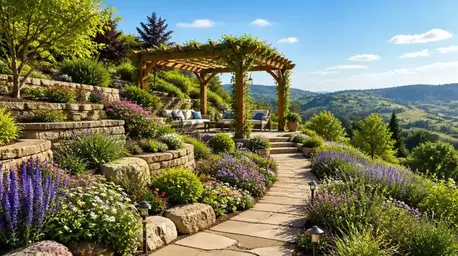
Creating a visually stunning garden isn't just about filling space; it's about telling a story with focal points that captivate and invite exploration. As you consider the design of your outdoor space, think about how these elements can transform your landscape into a beautiful retreat.
Understanding how focal points, color, and texture contribute to landscape design can enhance the beauty and functionality of your garden. Below are essential components to consider:
Key elements such as sculptures, trees, and flower beds that draw attention and guide movement within the garden.
Selecting a cohesive color palette enhances visual appeal and creates a tranquil atmosphere.
Mixing different plant textures adds depth and interest, creating a dynamic visual experience.
Incorporating plants that bloom at different times ensures year-round interest and beauty in your garden.
When it comes to designing a garden, *focal points* are essential for creating visual interest and guiding the eye. They act as the stars of your outdoor space, drawing attention and inviting exploration. Think of them as the key elements that tell a story in your landscape, whether it’s a stunning ornamental tree or an artistic sculpture. At Ornamental Yard, we believe that understanding the role of these focal points can truly transform your garden into a beautiful retreat. For more ideas, explore elegant landscaping with decorative trees.
By incorporating focal points, you can achieve a balanced and harmonious design. They help break up the space and provide a sense of direction, leading visitors through your garden. Focal points can also enhance the overall theme of your landscape, whether it’s a serene Zen garden or a vibrant, colorful floral display. Have you thought about what elements could serve as focal points in your own space?
Focal points are typically objects or features that stand out, creating a natural area for the eye to rest. They can be anything from a majestic tree, a water feature, or even a beautifully crafted bench. When placed thoughtfully, these elements will enhance the overall aesthetic of your garden, making it more inviting. Here are some common types of focal points you might consider adding to your landscape:
Incorporating these focal points not only adds beauty but also creates a sense of purpose in your outdoor space. They encourage exploration, making your garden feel larger and more dynamic. Think about how these features can work together to create a flow that resonates with your personal style.
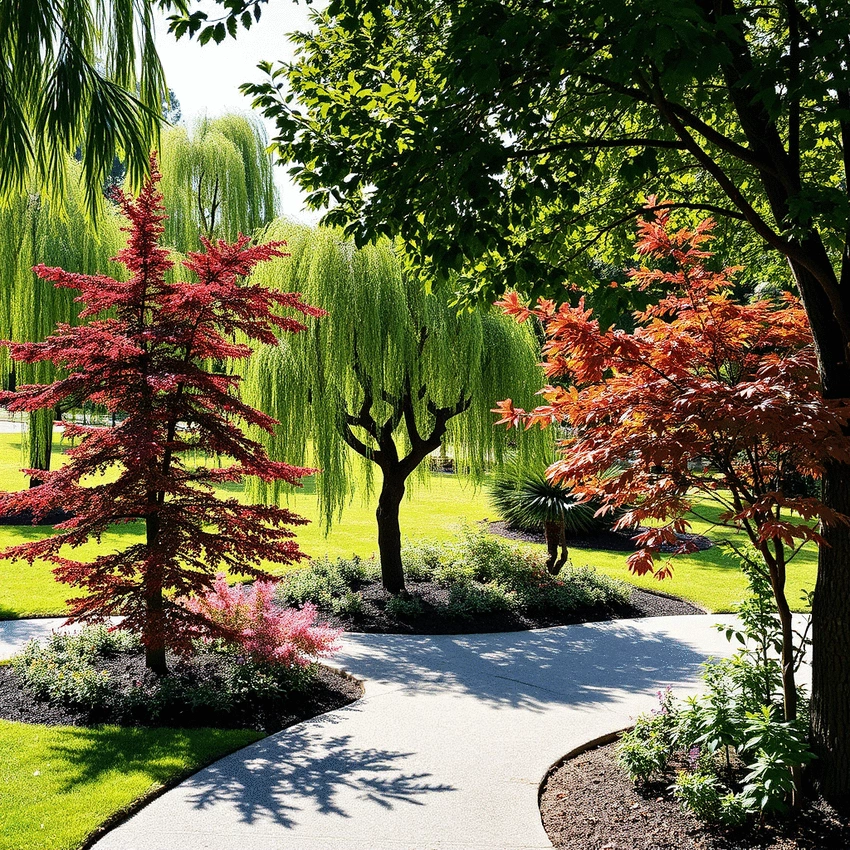
Ornamental trees are a fantastic way to boost the visual appeal of your landscape. They come in various shapes, sizes, and colors, making them versatile for different design aesthetics. Whether you choose a flowering cherry or a graceful Japanese maple, these trees can serve as stunning focal points that draw the eye and create a sense of place. Here’s why they are such a valuable addition:
When selecting ornamental trees, consider how they fit into the overall design of your space. Their beauty can elevate the entire landscape, making it a welcoming retreat for family and friends. For guidance on choosing the right varieties, check out our article on choosing ornamental trees for landscapes.
Color and texture play a pivotal role in creating aesthetics that captivate and inspire. By choosing a palette of plants that complement each other, you can create a cohesive look that feels intentional. For instance, pairing the deep greens of an evergreen tree with the vibrant blossoms of a flowering shrub can create a stunning contrast that draws attention. Here are some tips to help you harmonize color and texture in your garden:
At Ornamental Yard, we love exploring the endless possibilities that color and texture provide. By thoughtfully selecting your plants, you can create a garden that’s not just beautiful but also reflects your personality and style!
Did you know? The placement of your focal points can significantly influence how visitors experience your garden. Instead of placing your ornamental trees in isolated patches, consider grouping them with complementary plants and features. This not only enhances their visual impact but also creates a more inviting atmosphere that encourages exploration and engagement with your outdoor space.
As we wrap up this exploration of ornamental tree placement, it's important to remember the impact these trees can have on your landscape design. By creating strong focal points, you can guide the eye and enhance the overall beauty of your outdoor space. I’ve seen firsthand how a strategically placed tree can transform a yard into a serene retreat, making it a personal haven for homeowners to enjoy.
Let’s recap some key techniques that can make a difference in your garden:
Personalization is at the heart of effective landscape design! Every garden tells a story, and incorporating ornamental trees allows you to express your unique style. Whether you prefer the graceful form of a Japanese maple or the vibrant blooms of a flowering dogwood, your choices will define your outdoor space.
As you consider your options, think about how these trees can reflect your personality and values. At Ornamental Yard, we believe that your garden should be an extension of you, allowing you to create a peaceful oasis that resonates with your lifestyle. For more details on maintaining their health, explore our essential tips for tree care.
A: A focal point is a key element or feature in your garden that draws attention and guides the eye, such as a sculpture, a unique tree, or a vibrant flower bed. It helps create visual interest and structure in the landscape.
A: Ornamental trees enhance a garden by providing seasonal interest (blooms, fall foliage), diverse textures, and vertical height, adding depth and visual appeal to the landscape.
A: Color and texture are crucial for creating a cohesive and captivating garden. A well-chosen color scheme and varied plant textures add depth, interest, and reflect your personal style, making the garden more engaging.
A: Effective placement tips include off-center positioning to create movement, layering trees of different heights and textures for depth, and selecting trees whose colors and textures complement existing plants.
A: Personalize your garden by choosing ornamental trees that reflect your unique style and values. Whether it's a Japanese maple for its graceful form or a flowering dogwood for vibrant blooms, your choices help create a personal oasis that resonates with your lifestyle.
It’s common to have questions when it comes to planting and caring for your ornamental trees! Let’s address some of the most frequently asked questions to make your journey smoother:
Have you successfully transformed your yard using ornamental trees? I’d love to hear about your experiences! Sharing your journey can inspire others and create a sense of community among fellow garden enthusiasts. Feel free to reach out to us at Ornamental Yard and let’s celebrate your landscaping triumphs together! You can also find more inspiration on color harmony in outdoor design.
Remember, landscaping is not just about plants; it’s about creating a space that brings joy and tranquility. So, let your creativity flow, and enjoy the beautiful process of designing your outdoor haven! For tips on planting, see our guide on planting and caring for magnolias.
Here is a quick recap of the important points discussed in the article:
By Celia Fairchild / Oct 04
By Celia Fairchild / Oct 03
By Celia Fairchild / Sep 21