
Decorative Trees for Poolside Bliss
By Celia Fairchild / Oct 04
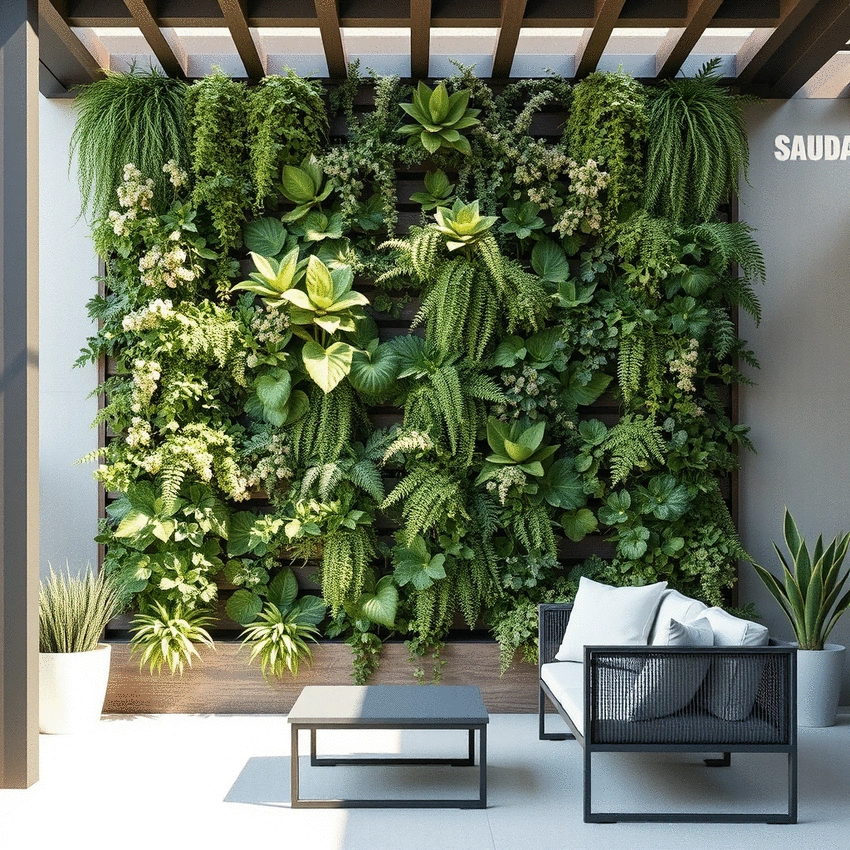
Vertical gardens are not just about aesthetics; they represent a transformative approach to outdoor design that can revitalize urban spaces. As cities grow denser and green spaces become scarce, these innovative structures offer a breath of fresh air. Are you curious about how a simple wall of plants can turn your outdoor area into a serene escape?
Vertical gardens provide numerous advantages, particularly in urban settings. Below are key benefits represented visually.
Plants filter toxins, making the environment healthier.
Living walls can help cool buildings, reducing energy costs.
They create stunning focal points, making spaces more attractive.
Vertical gardens are a captivating trend in outdoor design, and they’re becoming more popular for a good reason! At Ornamental Yard, we believe that these innovative green spaces can transform your outdoor areas into lush retreats. But what exactly are vertical gardens, and why are they so important? Let's dive in!
Vertical gardens, also known as living walls, involve growing plants on vertical surfaces. This can be on walls, fences, or specially designed structures, allowing you to maximize your space. Imagine a magnificent tapestry of greenery that not only beautifies but also brings life to your garden! You can learn more about elegant landscaping with decorative trees to further enhance your outdoor design.
These gardens can host a variety of plants, ranging from vibrant flowers to lush herbs. Whether you're limited on space or simply want to add a touch of nature to your walls, vertical gardens offer an exciting way to elevate your outdoor experience.
In today's urban environments, vertical gardens play a significant role in enhancing both aesthetics and functionality. They serve as an excellent solution for individuals looking to create a serene atmosphere without sacrificing space. Head-turning designs can make even the smallest yards feel expansive and inviting.
Vertical gardens also contribute to overall wellness by promoting relaxation and connection with nature. They can act as a natural air filter, reducing pollutants and helping you breathe easier. Have you ever thought about how a simple wall of plants can create an urban oasis? It's truly magical!
While the terms "vertical garden" and "green wall" may seem interchangeable, there are subtle differences. Vertical gardens typically refer to any plant arrangement growing vertically, including container gardens, while green walls often refer to more structured systems integrated with irrigation and support systems.
Both concepts share a common goal of integrating nature into our spaces, but the approach can vary. Here’s what to keep in mind:
Living walls offer numerous benefits, especially in urban settings. They can combat the "concrete jungle" feel by bringing nature closer. Here are some key benefits:
At Ornamental Yard, we celebrate the beauty of vertical gardens as they create a sanctuary amidst the hustle and bustle of city life. It’s inspiring to think how these green walls can make our surroundings more vibrant! For further inspiration on enhancing your outdoor spaces, consider exploring designing your luxurious outdoor space.
For a thriving vertical garden, consider incorporating a mix of plants with varying growth habits. Combining fast-growing vines with slower-growing flowers and herbs can create a dynamic and layered look. This not only enhances visual interest but also maximizes the use of space, allowing you to enjoy a vibrant garden throughout the seasons!
Vertical gardens are not just a trend; they are a way to breathe life into your outdoor spaces! At Ornamental Yard, I love sharing knowledge about vertical gardens and their transformative power. Engaging your audience involves answering their questions and showcasing inspiring examples that ignite creativity.
By addressing common queries and presenting visual inspiration, you can help homeowners envision how vertical gardens can enhance their own yards. Let’s dive into some frequently asked questions and showcase some stunning projects to motivate your gardening journey!
Have you ever wondered which plants thrive in a vertical garden? Choosing the right species is crucial for both aesthetics and maintenance. Here are some popular choices:
Another question I often hear is about the impact of vertical gardens on property value. They can actually enhance your home's appeal, making it more attractive to potential buyers. A well-designed vertical garden adds character and beauty, potentially increasing the value of your property. For more ideas on how to enhance your home's exterior, consider exploring ways to enhance your outdoors with shrubs.
Lastly, many of you may be curious about effective irrigation systems for these gardens. Here are some options to consider:
Let’s explore some successful vertical garden projects that showcase the beauty and functionality of these designs. Seeing how others have transformed their spaces can spark ideas for your own outdoor oasis!
Check out these impressive before-and-after comparisons:
Additionally, consider these creative landscaping ideas using vertical planters:
In conclusion, vertical gardens offer a myriad of benefits, from enhancing aesthetics to improving environmental quality. They inspire creativity and can transform even the smallest spaces into lush retreats. I encourage you to explore the wonderful world of vertical gardening.
Are you ready to start your vertical gardening journey? At Ornamental Yard, I’m here to provide you with all the tips and inspiration you need to create your own stunning outdoor space. Let your creativity flourish and enjoy every step of this exciting process! Don't forget to check out our guide on essential tips for tree care to ensure all your plants thrive.
Here is a quick recap of the important points discussed in the article:
By Celia Fairchild / Oct 04
By Celia Fairchild / Oct 03
By Celia Fairchild / Sep 21