Did you know that thoughtfully designed shaded areas can transform your garden into an enchanting oasis? Understanding the aesthetic appeal of shade-loving shrubs can elevate your outdoor space significantly. Here’s what you will learn about maximizing those darker corners in your garden.
What You Will Learn
Shade-loving shrubs can add depth and dimension, turning dark corners into visually appealing areas.
Incorporating a variety of shrub sizes and textures creates layers that draw the eye and spark curiosity.
Regular maintenance, including pruning and soil care, is essential for keeping shade-loving plants healthy and vibrant.
Choosing plants suited for your regional climate ensures your garden flourishes throughout the seasons.
Incorporating unique foliage, colorful blooms, and textural contrasts enhances the visual interest of shaded spaces.
Understanding winter hardiness and local climate variations can guide your selection of resilient shade plants.
Mixing evergreen options with flowering shrubs can create a dynamic and low-maintenance garden sanctuary.
Key Strategies for Enhancing Shade Garden Design
Explore the essential strategies to effectively utilize shade-loving shrubs for a stunning garden.
Garden Layout Considerations
Consider overall layout for plant selection.
Use shade to create a peaceful atmosphere.
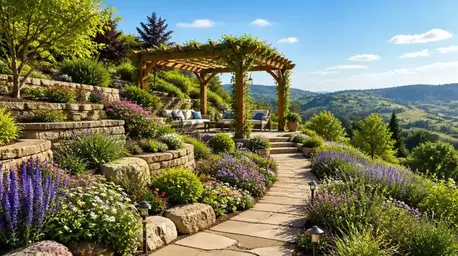
Incorporate pathways and seating in shaded sections.
Mixing Sizes and Textures
Use tall shrubs like Arborvitae as a backdrop.
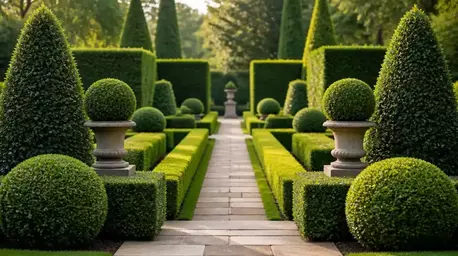
Add mid-height shrubs like Boxwoods for structure.
Finish with ground cover plants to soften edges.
Selecting Plants for Visual Interest
Foliage Variations: Consider Japanese Maple.
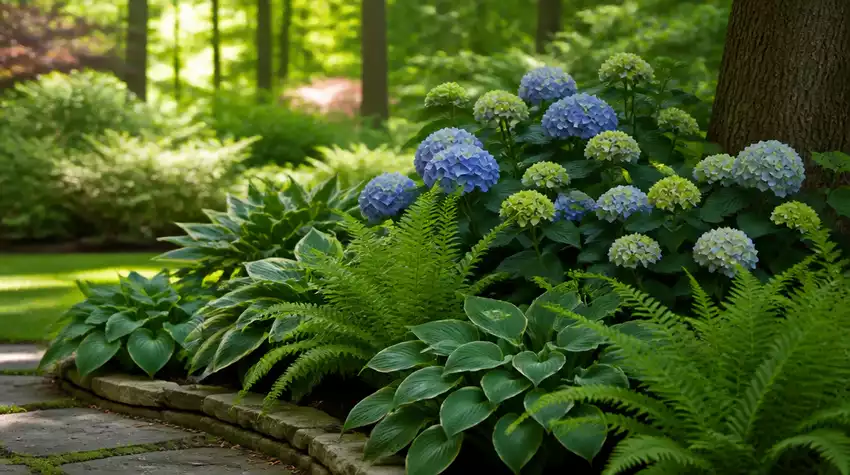
Colorful Blooming: Use Hydrangeas for color.
Textural Contrast: Mix ferns with structured plants.
Understanding Maintenance Requirements
Pruning Techniques: Trim in early spring for best results.
Watering Needs: Keep soil consistently moist.
Soil Care: Use well-draining soil rich in organic matter.
Understanding the Aesthetic Appeal of Shade-Loving Shrubs
When it comes to designing a stunning garden, shade-loving shrubs play an essential role in creating beautiful, inviting spaces. At Ornamental Yard, we believe that every corner of your garden deserves attention, even those darker spots. Understanding how to utilize these shrubs can enhance the overall aesthetic and bring harmony to your outdoor retreat! For more insights into maintaining the beauty of your outdoor space, explore these essential tips for tree care.
Shade is not just an obstacle; it’s an opportunity to explore a diverse range of plants that thrive away from harsh sunlight. By integrating shade-loving shrubs, you can introduce depth and dimension to your garden, making those shaded areas feel lush and vibrant. Why not embrace the beauty of shade and transform your garden into a serene escape?
The Role of Shade in Garden Design
Shaded areas in your garden can be enchanting when designed thoughtfully. They allow you to create a sanctuary filled with soft colors and delicate textures, offering a retreat from the intense heat of summer. But how do we maximize those shadier spots? Let’s dive into some strategies that can elevate your garden design.
Consider the overall layout of your garden and how shade affects plant selection.
Use shade to create a peaceful atmosphere that contrasts with sunnier areas.
Incorporate pathways and seating to draw attention to shaded sections.
By recognizing the role of shade, you can make those darker areas more inviting and pleasing to the eye. Let your imagination roam as you think about all the possibilities!
Creating Depth and Dimension in Dark Corners
Dark corners in your garden can pose a challenge, but they also present a unique chance to showcase stunning shade-loving shrubs! By selecting the right plants, you can give life to these spaces, creating layers that draw the eye and invite exploration. Imagine stepping into a garden where every corner tells a story, all thanks to the thoughtful placement of plants! Learn more about layering plants in garden design to further enhance your outdoor space.
To enhance depth and dimension, consider mixing various sizes and textures of shrubs. Here are some examples:
Use tall shrubs like Arborvitae as a backdrop.
Add mid-height shrubs like Boxwoods for structure.
Finish with ground cover plants to soften edges and fill in gaps.
Creating a layered look not only captures attention but also adds intrigue to your garden. Let these plants work together to create an inviting space that draws you in!
Enhancing Visual Interest with Shade Plants
Shade-loving shrubs can bring life to even the dimmest corners, enriching your garden's palette and texture. With varieties boasting different leaf shapes, colors, and even flowers, these plants are perfect for elevating any shaded area. You can create an eye-catching display that encourages admiration and engagement!
To enhance visual interest, think about including plants with unique characteristics. Here are some ideas:
Foliage Variations: Look for shrubs with unique leaf shapes, like the Japanese Maple.
Colorful Blooming: Incorporate flowering shrubs that add splashes of color, such as Hydrangeas.
Textural Contrast: Mix ferns with more structured plants for an engaging contrast.
By thoughtfully selecting your shade-loving shrubs, you can create a dynamic, visually appealing garden that feels alive, even in the shadows.
Quick Summary
Here's a brief recap of the key points discussed so far:
Shade-loving shrubs enhance the aesthetic appeal of your garden, creating inviting spaces even in darker corners.
Thoughtful garden design can transform shaded areas into serene retreats, utilizing pathways and seating to draw attention.
Mixing various sizes and textures of shrubs adds depth and dimension, making your garden feel lush and vibrant.
Practical Considerations for Successful Shade Gardening
As you dive deeper into the world of shade gardening, it's essential to consider some practical aspects that ensure your shade-loving shrubs flourish. At Ornamental Yard, we believe that understanding how to care for your plants is just as important as choosing the right ones. By focusing on maintenance and regional suitability, you can create a thriving garden that not only looks beautiful but also stays healthy year-round! For more tips on maintaining your shrubs, check out our guide on pruning tips for ornamental shrubs.
Let's explore some key maintenance tips and regional considerations that will help you cultivate stunning shade corners in your yard. It’s crucial to understand the specific needs of your plants, so they can thrive in their unique environments. After all, every garden has its own personality, and knowing how to nurture it is part of the fun!
Maintenance and Care for Shade-Loving Shrubs
Taking care of your shade-loving shrubs involves a few best practices to keep them looking their best and growing strong. Regular maintenance not only enhances their beauty but also promotes overall plant health. Here are some important maintenance tasks to keep in mind:
Pruning Techniques: Regularly trimming your shrubs helps maintain their shape and encourages healthy growth. Aim to prune in early spring or after flowering for the best results.
Watering Needs: While shade plants generally require less water than sun-loving varieties, it's important to keep the soil consistently moist. Monitor your plants, especially during dry spells!
Soil Care: Ensure your shrubs are planted in well-draining soil rich in organic matter. This not only supports their growth but also improves soil structure over time.
By following these maintenance tips, you can help your shade-loving shrubs thrive and maintain their elegance throughout the seasons! Remember, a little care goes a long way in creating a beautiful garden.
Pruning Techniques for Shrub Health and Shape
Proper pruning is essential for keeping your shade-loving shrubs healthy and looking their best. As a landscape designer, I often emphasize the importance of learning how to prune effectively. Here are some key tips for successful pruning:
Remove Dead or Diseased Branches: This encourages new growth and prevents the spread of disease.
Thin Out Dense Areas: Allowing light to penetrate promotes air circulation and reduces the risk of pests.
Shape Your Shrubs: Aim for natural shapes, removing only what is necessary to keep them looking tidy.
By honing your pruning skills, you'll enhance both the beauty and health of your shade-loving plants, making your garden a delightful oasis!
Regional Suitability: Selecting Plants for Your Climate Zone
Choosing the right shrubs for your regional climate is crucial for their success. Different plants thrive in varying conditions, and understanding your zone can save you time and effort in the long run. Here are some tips for selecting suitable plants:
Know Your Climate Zone: Familiarize yourself with the USDA Plant Hardiness Zone Map to understand which plants will thrive in your location.
Consider Seasonal Performance: Some shrubs may not withstand harsh winters. Choose plants that can endure your local climate.
Pollinator Value: Select shrubs that attract beneficial insects and support local wildlife. This creates a balanced ecosystem in your yard!
By taking the time to understand your garden's climate, you can choose shrubs that will not only survive but flourish in your shaded corners!
Understanding Winter Performance and Hardiness
Winter can be a challenging time for shade-loving shrubs, and knowing which varieties are hardy can make a significant difference. Here’s how to pick shrubs that can withstand the chill:
Research Hardy Varieties: Look for shrubs that are rated for your specific climate zone to ensure they can withstand winter temperatures.
Protecting Your Shrubs: Applying mulch around the base can help insulate the roots and regulate soil temperature during winter months.
Assess Your Microclimates: Consider how sunlight, wind, and moisture levels differ in various areas of your garden, allowing for more personalized plant selection.
With the right knowledge, you can ensure your shade-loving shrubs not only survive but thrive even in the coldest months! For more on selecting resilient plants, explore winter-hardy shrubs for gardens.
Recommended Shade Plants for Specific Conditions
At Ornamental Yard, we love sharing our favorite shade-loving plants. Choosing the right varieties for your specific conditions can make all the difference! Here are some recommended shrubs to consider:
Evergreen Options: Boxwoods and Mountain Laurel provide year-round greenery and structure to your garden.
Flowering Choices: Consider Weigela and Astilbes, which not only bloom beautifully in the shade but also add a splash of color and life!
Low Maintenance: Look for hardy varieties that require less watering and care, like certain types of ferns or hostas, to keep your garden looking amazing with minimal effort.
Incorporating these plants into your garden can help you create a stunning shade oasis that’s both elegant and easy to maintain!
Engaging Your Garden with Shade-Loving Shrubs
Now that you have a solid foundation on practical considerations for shade gardening, let's delve into how to engage with your garden. Shade-loving shrubs can transform dim corners into inviting spaces! I encourage you to explore the beauty of your shaded areas and let your creativity shine.
Frequently Asked Questions (FAQs)
Q1: Why are shade-loving shrubs important for garden design?
A1: Shade-loving shrubs add depth, dimension, and visual interest to darker corners of your garden, transforming them into lush, inviting spaces. They help create a balanced and harmonious outdoor retreat.
Q2: How can I create depth and dimension in shaded garden areas?
A2: You can create depth and dimension by mixing various sizes and textures of shrubs. Use tall shrubs as a backdrop, mid-height shrubs for structure, and ground covers to soften edges and fill gaps, creating a layered effect.
Q3: What are some ways to enhance visual interest with shade plants?
A3: Enhance visual interest by choosing shrubs with unique foliage variations (like Japanese Maples), colorful blooms (such as Hydrangeas), and textural contrasts (mixing ferns with structured plants).
Q4: What are the key maintenance requirements for shade-loving shrubs?
A4: Key maintenance includes regular pruning (especially in early spring or after flowering), consistent watering to keep the soil moist, and ensuring they are planted in well-draining soil rich in organic matter.
Q5: How do I select shade-loving shrubs suitable for my climate zone?
A5: Familiarize yourself with the USDA Plant Hardiness Zone Map, consider the seasonal performance of plants in your local climate, and choose varieties that can withstand your region's specific conditions, including winter hardiness.
Feel free to reach out if you have any questions or need guidance on selecting the perfect plants for your space. Together, we can turn your garden into a lush retreat that reflects your unique style and connection with nature!
Recap of Key Points
Here is a quick recap of the important points discussed in the article:
Shade-loving shrubs are essential for enhancing the aesthetic appeal of shaded areas in your garden.
Utilize shade to create a peaceful atmosphere, contrasting with sunnier sections of your garden.
Incorporate various sizes and textures of shrubs to create depth and dimension in darker corners.
Choose plants with unique foliage, colorful blooms, and textural contrasts to enhance visual interest.
Regular maintenance, including pruning and watering, is crucial for the health of shade-loving shrubs.
Select shrubs that are suitable for your climate zone to ensure their success and longevity.
Consider winter hardiness and protection measures to help your shrubs thrive during colder months.
Explore recommended shade plants like Boxwoods, Astilbes, and ferns for a beautiful and low-maintenance garden.