
Decorative Trees for Poolside Bliss
By Celia Fairchild / Oct 04
Have you ever walked through a garden and felt inexplicably uplifted by its beauty? The magic often lies in the art of layering plants, a technique that not only enhances aesthetic appeal but also promotes a thriving ecosystem. Understanding how to effectively layer your garden can turn any outdoor space into a vibrant retreat!
Understanding how to layer plants can significantly enhance your garden's appeal and health. Layering is not merely about aesthetics; it's a strategic approach to creating a resilient and visually dynamic outdoor space. For more insights on maximizing your garden's potential, consider exploring essential tips for tree care, which can complement your layering efforts.
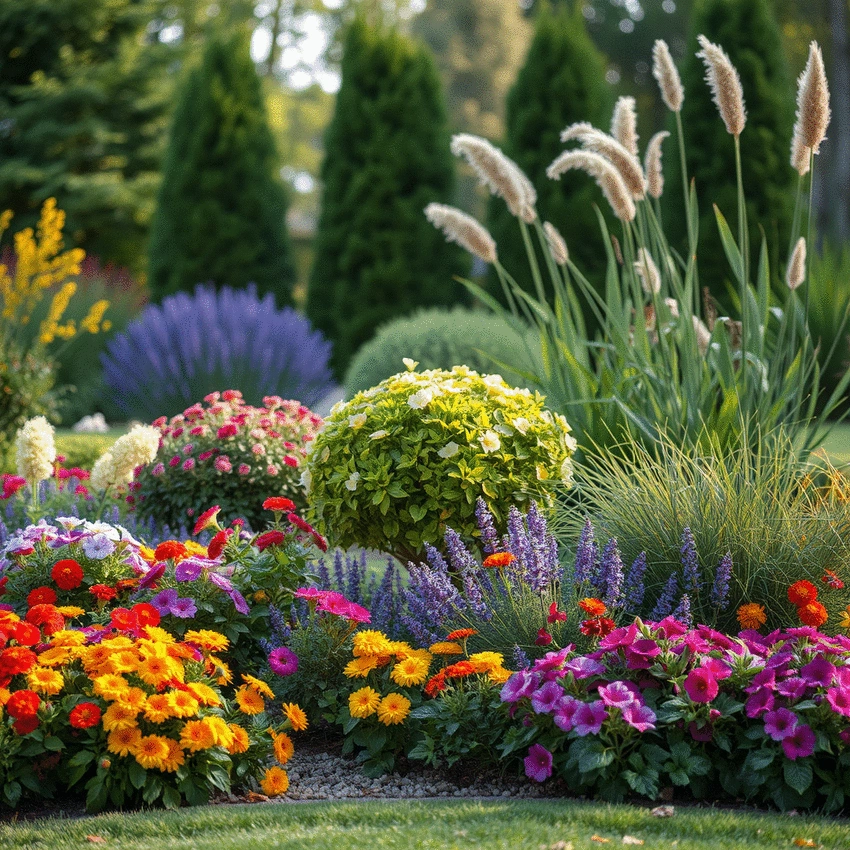
Utilizing a mix of plant heights draws the eye upwards and around, creating visual interest.
Combining different leaf shapes and textures adds depth and appeal to the garden.
Choosing complementary colors ensures a unified and aesthetically pleasing look.
Proper spacing between layers allows better airflow, reducing the risk of disease.
Have you ever wondered why some gardens seem to burst with life while others feel flat and uninspired? The secret often lies in the art of layering plants. Layering is not just about stacking plants on top of each other; it’s about creating a harmonious blend that enhances beauty and promotes garden health. As a passionate landscape designer, I can assure you that mastering this technique will elevate your outdoor space into a vibrant retreat!
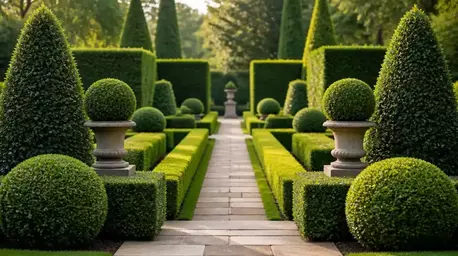
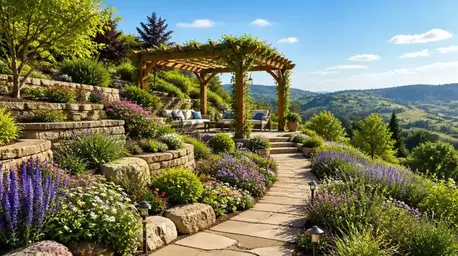
In simple terms, layering refers to arranging plants in a way that utilizes vertical space effectively. It involves planting taller species at the back or center, mid-sized plants in the middle, and shorter ones at the front or edges. This method creates depth, allowing each plant to shine while contributing to a cohesive look. By utilizing the natural growth habits of various plants, you can create a dynamic garden that changes with the seasons. This approach is particularly effective when considering elegant landscaping with decorative trees to establish a strong foundational layer.
Layering is foundational in garden design, and it’s essential to understand how it works. Imagine a forest: tall trees create a canopy, followed by smaller trees and shrubs, and finally groundcovers. Each layer performs a unique function, contributing to the ecosystem. Within your garden, you can mimic this natural structure to create interest and encourage biodiversity!
To effectively layer plants, consider these key concepts:
Layering plants offers numerous benefits that go beyond just aesthetics. A well-layered garden can help improve biodiversity, provide habitat for wildlife, and promote healthier plants. When plants are layered properly, they can create microclimates that shield delicate species from harsh weather conditions.
Here are some key advantages of implementing layering in your garden:
Working with these layers allows you to create a garden that not only looks fantastic but thrives in ways you might not have imagined. As you start planning your garden, think about how you can incorporate these ideas to create a stunning outdoor space that reflects your unique style! Remember that even elegant shrubs for small gardens can be effectively layered to maximize impact in limited spaces.
Now that you grasp the significance of layering, let’s explore the essential plant layers for effective garden design. Each layer serves a specific purpose, and choosing the right plants can make all the difference in creating that picturesque landscape you've always dreamed of!
When selecting plants for layering, consider their growth rates and seasonal changes. Pair fast-growing plants with slower ones to ensure your garden maintains a balanced appearance throughout the year. Additionally, incorporating evergreen species can provide structure and visual interest in the winter months, making your garden appealing all year round!
Seeing layered garden designs in action can be incredibly inspiring! It’s amazing how a well-planned layout can transform even the simplest spaces into lush, inviting retreats. At Ornamental Yard, I’ve gathered some beautiful examples that showcase the power of layering plants in garden design. Let’s explore these impressive case studies and see what we can learn!
Renowned garden designers have created stunning layered landscapes that serve as fantastic examples for our own gardening efforts. Here are a few noteworthy projects that highlight the beauty and functionality of layered planting:
These case studies not only highlight the visual appeal of layering but also show the ecological benefits. Incorporating a variety of plants can attract beneficial pollinators, enhance biodiversity, and create a more resilient garden. For instance, selecting shrubs for butterflies and bees can significantly boost your garden's ecological value.
Sometimes, it’s hard to imagine the potential of our gardens until we see the transformation in action. Before-and-after images of layered gardens can be incredibly motivating! Here are a few examples:
These transformations remind me of the potential within every outdoor space. At Ornamental Yard, I believe that every garden, big or small, can achieve a layered design that tells a unique story!
As we dive deeper into the world of layered gardening, it’s essential to address the common questions that many of us have. Understanding these aspects can help us make informed decisions in our own gardens! Let’s tackle some frequently asked questions about layering plants.
Here are some common inquiries that I often receive regarding layered garden designs:
By addressing these questions, I'm hopeful that you feel more confident in exploring layered gardening! Remember, the goal is to create a garden that reflects your style and enhances its natural beauty.
At Ornamental Yard, I love hearing from fellow gardening enthusiasts! If you have tried layering plants in your garden, I encourage you to share your experiences. What worked for you? What challenges did you face?
Consider these prompts for your responses:
Your insights could inspire others and foster a community of creativity and support! Let’s learn from one another’s experiences and make our gardens even more beautiful together.
As we wrap up our exploration of layered garden designs, let's reflect on the key strategies we discussed. Layering is not just about aesthetics; it's about creating a vibrant ecosystem that thrives together.
Here’s a quick recap of the benefits of layering plants:
Implementing these strategies can elevate your garden design and bring it to life. Remember to take into account your unique space and environmental conditions for the best results. For further inspiration, consider how designing your luxurious outdoor space can integrate advanced layering techniques for a sophisticated look.
Finally, don't be afraid to experiment! Your garden is a canvas waiting for your creativity. Try different combinations of plants, colors, and textures. Embrace the process of layering, and enjoy the journey of transforming your outdoor space into a personal oasis.
At Ornamental Yard, I’m here to support you every step of the way. Let’s grow together and create stunning landscapes that inspire and nurture our connection to nature!
Here is a quick recap of the important points discussed in the article:
By Celia Fairchild / Oct 04
By Celia Fairchild / Oct 03
By Celia Fairchild / Sep 21