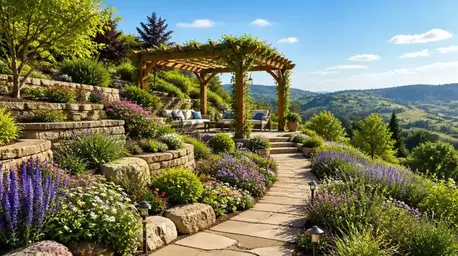

Decorative Trees for Poolside Bliss
By Celia Fairchild / Oct 04
Have you ever stopped to think about how your garden can thrive even in the dead of winter? By incorporating winter hardy ornamental shrubs, you can transform your landscape into a vibrant winter oasis that not only beautifies your space but also supports local wildlife. Let's explore the benefits and essential tips for choosing the right plants for your cold climate garden.
Cold hardiness zones help gardeners choose the right ornamental shrubs that can withstand winter conditions. Below is a visual representation of the USDA Hardiness Zones and the corresponding temperature ranges.
Can handle temperatures down to -40°F
Withstands temperatures from -30°F to -25°F
Endures temperatures from -20°F to -15°F
When winter arrives, many homeowners find themselves looking at their yards and wondering how to maintain their beauty during the colder months. That's where winter hardy ornamental shrubs come into play! These resilient plants not only survive harsh conditions but also add charm and interest to your landscape even when everything else is dormant. For inspiration, consider exploring elegant landscaping with decorative trees to complement your winter shrubs.
Before diving into specific varieties, it's important to understand what makes these shrubs so special. Knowing about cold hardiness and how it affects plant survival is essential for creating a thriving winter landscape.
So, what exactly is cold hardiness? In simple terms, it refers to a plant's ability to withstand cold temperatures without suffering damage. Plants that are classified as winter hardy can endure the freezing temperatures that are typical in cold climates. This resilience is crucial for ensuring your garden remains vibrant even in the depths of winter!
Understanding cold hardiness is not just about survival; it's about making informed decisions when selecting plants for your garden. For instance, the USDA Hardiness Zones provide a map that helps you determine which plants will thrive in your area based on average minimum winter temperatures. For more tips on choosing suitable plants, check out our guide on selecting ornamental shrubs for landscaping.
Cold hardiness is measured using a series of zones that range from 1 (the coldest) to 13 (the warmest). Each zone indicates the lowest temperature a plant can endure. For instance:
When choosing shrubs, it’s vital to select varieties suited to your specific zone to ensure they thrive through the winter months.
The USDA Hardiness Zones serve as a guide for homeowners like us! By checking which zone our garden falls into, we can make smart decisions when selecting ornamental shrubs. For example, if you're in Zone 5, you can confidently choose winter hardy shrubs that are rated for Zones 5 and below, ensuring they’ll flourish in your landscape.
When I design a garden, I always refer to these zones. It helps me select plants that not only survive but thrive, adding to the beauty of the space all year round. Remember, a little research goes a long way in creating a stunning winter garden!
Now that we understand cold hardiness, let's explore why incorporating winter hardy shrubs into your landscape is a fantastic idea. Not only do they look great, but they also offer several benefits for both you and the environment.
Some of the most compelling reasons to choose these shrubs include:
Winter hardy shrubs ensure that your yard remains visually appealing, adding structure and texture to your garden when other plants are bare. Imagine stepping outside and being greeted by the rich greens of evergreen shrubs—such an uplifting sight!
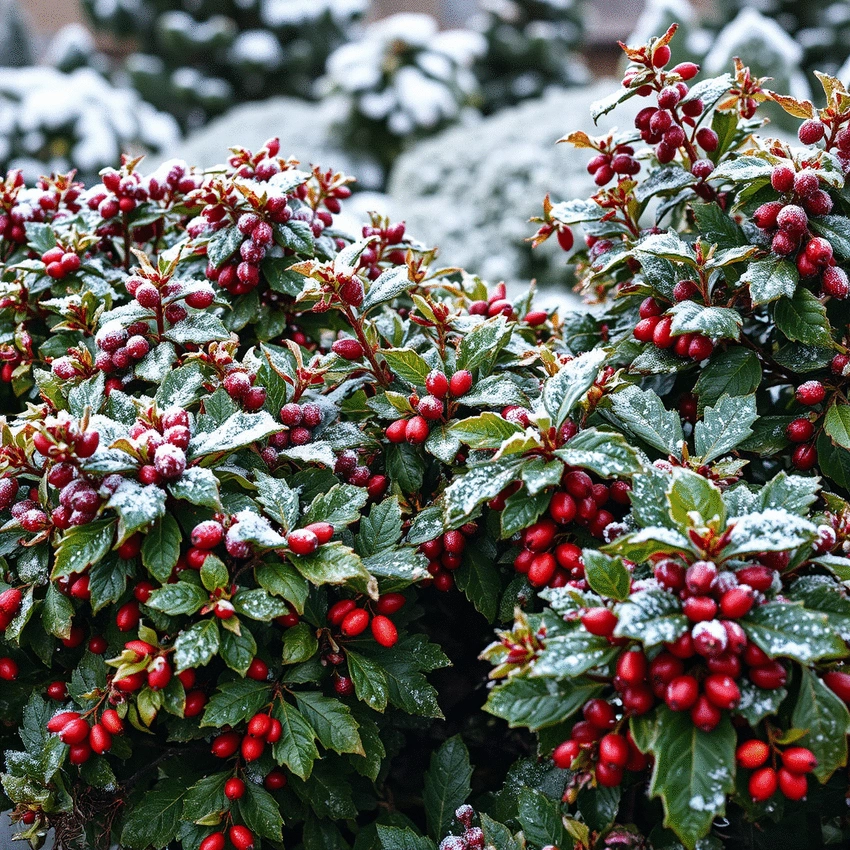
Winter hardy shrubs are more than just pretty additions to your garden; they play a crucial role in creating a balanced ecosystem. During winter, they provide shelter for birds and small mammals that may struggle to find food and cover. Plus, many of these shrubs bear fruits that can serve as a food source during the colder months.
Incorporating ornamental shrubs will not only enhance your landscape's beauty but also support wildlife conservation. It’s a win-win for both you and nature!
By planting winter hardy shrubs, you're making a significant contribution to local ecosystems. These plants create habitats for various animals and help maintain biodiversity. Here are some ways they impact wildlife:
As a landscape designer, I love seeing how my work can positively influence local wildlife! Choosing the right shrubs not only beautifies your outdoor space but also fosters a sense of community with nature. If you're looking for shrubs that attract pollinators, consider shrubs for butterflies and bees.
When selecting winter hardy shrubs for your garden, consider incorporating a mix of evergreens and deciduous varieties. This diversity not only enhances visual interest year-round but also provides varied habitats and food sources for local wildlife. Mixing heights and textures can create a more dynamic landscape that captivates the eye even in winter!
When it comes to creating a beautiful winter garden, understanding the role of native versus non-native shrubs is vital. As we aim to create spaces that are not only stunning but also beneficial for the environment, choosing the right plants can make all the difference. At Ornamental Yard, we believe that incorporating native plants can lead to a thriving garden that respects and enhances the local ecosystem.
Native shrubs are adapted to the climate and soil of their region, which makes them more resilient and easier to maintain. By choosing plants that have evolved in your area, you are supporting local wildlife, improving biodiversity, and often requiring less water and fertilizer. Isn't it wonderful to think that your garden can help sustain the local environment while looking gorgeous?
Understanding the differences between native and non-native shrubs is key to making informed decisions for your garden. Here are some important points to consider:
In cold climates, selecting native shrubs is particularly beneficial. These plants are well-suited to handle harsh winters and can provide a burst of life during the colder months. For example, shrubs like native viburnum not only offer beautiful flowers in spring but also provide berries that feed birds in winter. This can create a lively winter scene in your garden!
While non-native shrubs may look attractive, they can sometimes disrupt local ecosystems. They can outcompete native plants for resources, leading to a reduction in biodiversity. This is why it’s essential to think carefully about which non-native species you might consider. Always check if they are invasive in your area before adding them to your landscape. For further reading on plant selection, explore seasonal foliage selection guide.
Two great examples of native shrubs are viburnum and serviceberry. Viburnum offers stunning blooms and vibrant berries, while serviceberry not only showcases lovely spring flowers but also produces tasty fruits for both you and local wildlife. By incorporating these plants into your winter landscape, you’re not just beautifying your yard—you’re also contributing to the health of the environment!
A: Cold hardiness refers to a plant's ability to withstand freezing temperatures without damage. It's crucial for selecting shrubs that will survive and thrive in your specific climate, ensuring your garden remains vibrant through winter.
A: USDA Hardiness Zones are a geographical guide based on average minimum winter temperatures. By knowing your zone, you can select plants rated for that zone or lower, guaranteeing their suitability for your region's winter conditions.
A: Winter hardy shrubs offer year-round beauty, provide food and shelter for local wildlife, and require less maintenance during the colder months, contributing to a balanced and attractive landscape.
A: Native shrubs are adapted to local climates and soils, making them more resilient and lower maintenance. They support local biodiversity by providing essential food and habitat for wildlife, unlike some non-native species that can disrupt ecosystems.
A: Yes! Many winter hardy shrubs offer berries, seeds, and shelter, which are vital resources for birds and small mammals during winter. They also attract beneficial insects, playing a significant role in maintaining local ecosystems.
As we wrap up our exploration of winter hardy ornamental shrubs, it’s clear that incorporating these plants can greatly enhance your garden's beauty and sustainability. From understanding the importance of native species to discovering the benefits of various shrubs, there are endless opportunities for creativity in your winter landscape. To further enhance your outdoor space, consider our guide on designing your luxurious outdoor space.
Remember, choosing the right plants can create a stunning winter garden that thrives and supports local ecosystems. By selecting shrubs that provide visual interest and wildlife support, you can enjoy a vibrant outdoor space all year long!
So, what are you waiting for? Let’s get started on transforming your garden into a winter wonderland filled with hardy shrubs that reflect your unique style while benefiting the environment. Visit Ornamental Yard for more expert tips and inspiration. I can't wait to see what you create!
Here is a quick recap of the important points discussed in the article:
By Celia Fairchild / Oct 04
By Celia Fairchild / Oct 03
By Celia Fairchild / Sep 21