
Decorative Trees for Poolside Bliss
By Celia Fairchild / Oct 04
Did you know that selecting the right magnolia variety can significantly enhance your garden's beauty and health? As you delve into the art of cultivating decorative magnolia trees, you'll discover valuable insights that will transform your outdoor space into a vibrant retreat.
Essential tips to ensure your magnolias thrive beautifully in your garden. For more comprehensive insights into maintaining various trees, explore our essential tips for tree care.
Different magnolias thrive in diverse conditions. Know your growing zone and choose accordingly.
Ensure the site has the right sun exposure and well-drained soil for healthy growth.
Establish a consistent watering schedule, especially during the first year to support root development.
Use appropriate mulch to retain soil health and moisture, avoiding common mistakes.
For deciduous magnolias, prune after flowering to encourage new growth and maintain shape.
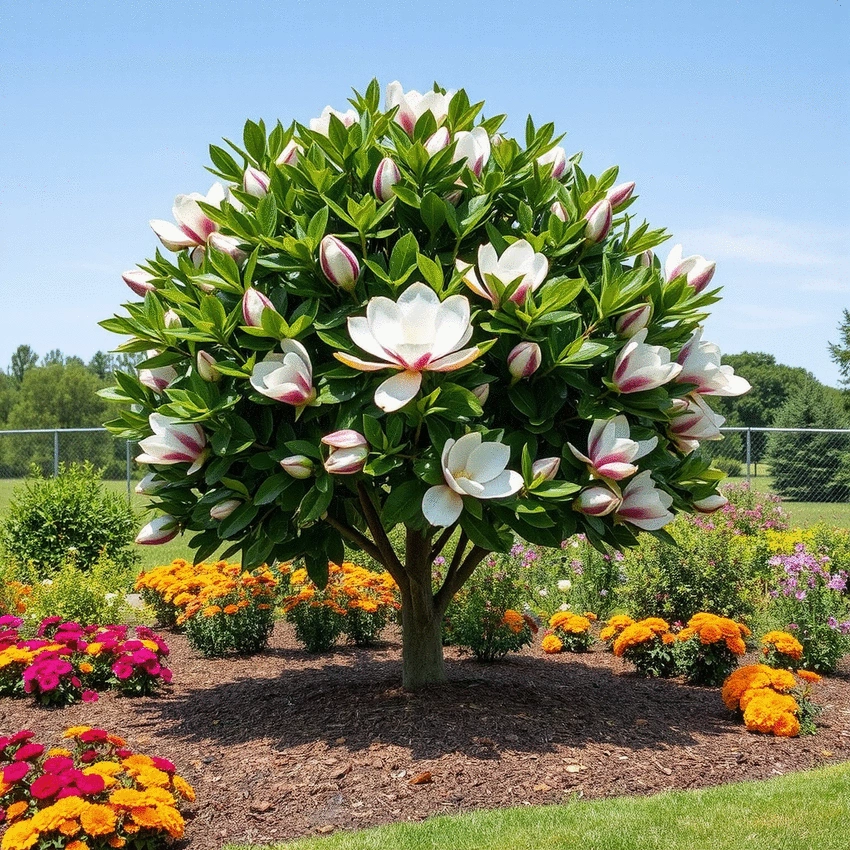
Magnolia trees are truly a sight to behold! With their stunning blooms and lush foliage, they add a touch of elegance to any garden. Beyond their beauty, these trees also offer ecological benefits, such as attracting pollinators like bees and butterflies, which are essential for a thriving garden.
Planting magnolias can also enhance your landscape’s biodiversity. They provide shelter for wildlife and improve air quality through their natural process of photosynthesis. It’s rewarding to know that your garden can contribute to a healthier environment while also being a beautiful retreat! You can further enhance your garden's appeal by exploring how to enhance your garden with ornamentals.
Choosing the right magnolia variety is crucial for your landscape's success! There are many types available, such as saucer magnolia and evergreen magnolia, each with unique characteristics that cater to different garden conditions. To make the best choice, consider your hardiness zone and the specific conditions of your garden.
For example, if you live in a warmer climate, the evergreen magnolia might be an ideal choice. On the other hand, if you’re in a cooler area, the saucer magnolia can thrive beautifully. By picking the right variety, you’re setting up your garden for success!
Among the popular varieties, Magnolia grandiflora and Southern magnolia stand out! Known for their large, fragrant white flowers, these trees can reach impressive heights and are often used as focal points in gardens. They provide a lush, tropical feel and bloom beautifully in late spring to early summer. For more ideas on how to incorporate such stately trees, consider choosing ornamental trees for landscapes.
Southern magnolias are particularly admired for their glossy leaves and ability to withstand heat and drought. This makes them a fantastic choice for areas with hot summers! Choosing the right magnolia for your landscape, like Southern magnolia, can really bring your outdoor space to life.
Creating the perfect environment for your magnolia is key! Start by selecting a site that receives ample sunlight, ideally full sun to partial shade. This will help your magnolia thrive and produce beautiful blooms. It's also important to check your soil type; magnolias prefer well-drained, acidic soil.
Avoid planting in frost pockets, as this can hinder the growth of your new tree. By taking time to prepare your planting site, you’ll give your magnolia the best chance to flourish in your landscape.
Ready to plant your magnolia? Here's a simple guide to ensure success! Start by digging a hole that’s about twice the width of the root ball and just as deep. This space allows the roots to spread comfortably.
Carefully handle the root ball to prevent damage during planting. Once positioned, fill the hole with soil, ensuring the top of the root ball is level with the soil surface. Finally, apply mulch around the base to retain moisture and suppress weeds. Planting is just the beginning of your journey!
Handling the root ball correctly is crucial, especially in clay soils, which can be dense and compact. Be gentle when loosening the roots to encourage growth and prevent damage. If the roots are tightly bound, cut them with clean, sharp shears, giving them the best chance to spread out.
Remember, a healthy root system is vital for your magnolia's overall health and growth. Taking time to understand the root ball will lead to a flourishing tree in your garden!
Planting depth matters! Ensure that your magnolia’s root ball is not buried too deeply, as this can lead to root rot. The top of the root ball should be slightly above the surrounding soil to allow for proper drainage.
After planting, check the surrounding care by watering deeply but infrequently. This encourages deeper root growth, helping your magnolia thrive in various conditions.
Soil health is paramount! Magnolia trees flourish in acidic soil with a pH range between 5.5 and 6.5. Regularly testing your soil can help you maintain the right balance. If your soil is too alkaline, consider amending it with organic matter or sulfur.
Providing the right nutrients and maintaining soil health will ensure your magnolia grows strong and healthy. Remember, a thriving tree starts with the right soil foundation! For elegant landscaping ideas that incorporate proper soil management, see our guide on elegant landscaping with decorative trees.
Did you know? Regularly testing and amending your soil can significantly enhance the growth of your magnolia trees. Consider using organic soil amendments like compost or peat moss to maintain the ideal acidic pH levels, ensuring your magnolias thrive!
Caring for decorative magnolia trees can be a rewarding journey, and it all starts with a solid plan! From choosing the right variety to ensuring proper watering techniques, following these essential strategies will help you cultivate a thriving magnolia in your garden. At Ornamental Yard, we believe that a little knowledge goes a long way in creating stunning outdoor spaces.
Let’s recap the key practices to keep your magnolias healthy and beautiful:
At Ornamental Yard, we value the experiences and insights of our gardening community! I encourage you to share your own experiences with magnolia tree care in the comments section below. Have you faced any challenges or discovered helpful tips? Your contributions can inspire others and foster a supportive environment for magnolia enthusiasts!
Additionally, if you have specific questions about your magnolia trees, don't hesitate to ask! Whether you're a seasoned gardener or just starting, we're here to support you with expert advice and tips.
As you embark on your journey with decorative magnolia trees, remember that proper care and ongoing education are key to success. By taking the time to learn about the needs of your plants, you can create a lush and vibrant landscape that reflects your personal style. Just like I have witnessed in my years of experience, the beauty of magnolias can transform any outdoor space into a breathtaking retreat.
Are you ready to implement these practices in your own garden? Let’s get started! Stay connected with Ornamental Yard for more insightful gardening tips and updates that will help you create an outdoor paradise. Together, we can inspire one another to nurture and enjoy the beauty of our landscapes. Happy gardening!
Here is a quick recap of the important points discussed in the article:
By Celia Fairchild / Oct 04
By Celia Fairchild / Oct 03
By Celia Fairchild / Sep 21