
Decorative Trees for Poolside Bliss
By Celia Fairchild / Oct 04
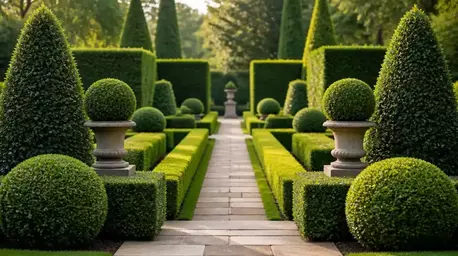
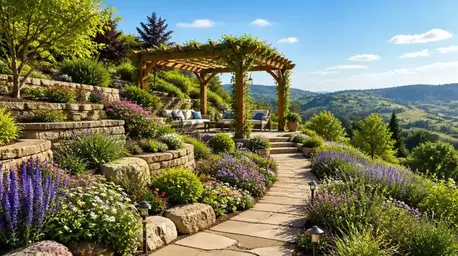
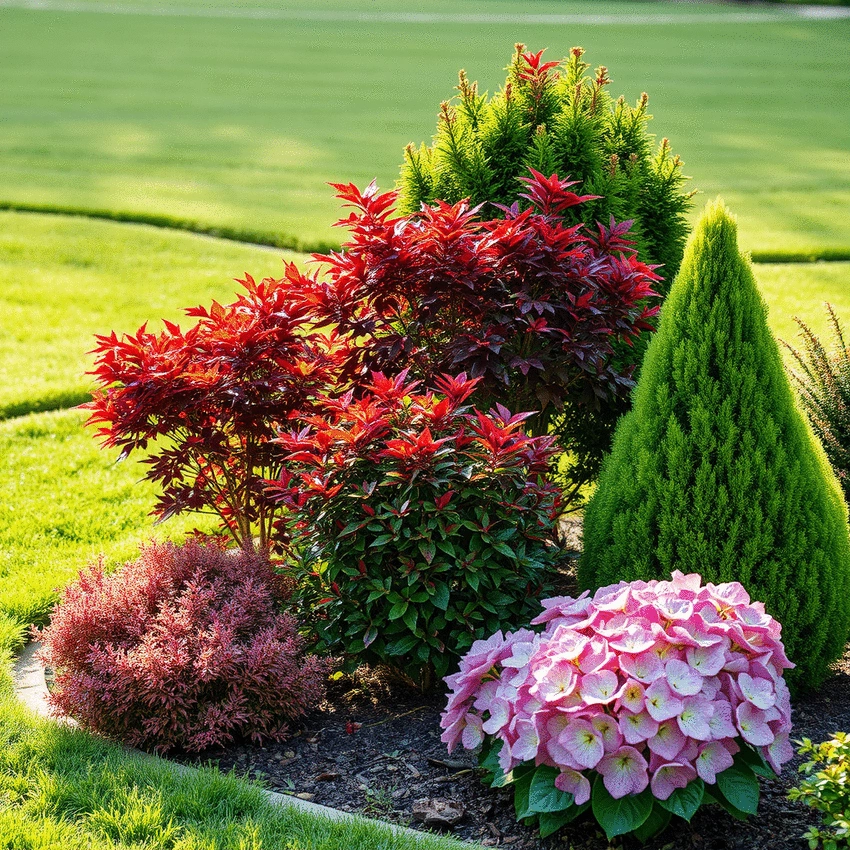
Creating a captivating outdoor space often hinges on the right landscaping features. Ornamental shrubs can transform any garden into a vibrant retreat, providing visual interest and functionality. With their unique shapes, sizes, and colors, these plants serve as stunning focal points that enhance the beauty of your landscape while attracting wildlife.
Ornamental shrubs offer a range of benefits that enhance garden aesthetics and functionality. Below are some key aspects to consider.
Many ornamental shrubs provide year-round beauty with stunning blooms, unique foliage, and vibrant colors.
Choosing flowering varieties attracts butterflies, bees, and birds, enhancing the garden's biodiversity.
Once established, many ornamental shrubs require minimal care, ideal for busy homeowners.
Focal points create a visual anchor that adds structure to your garden.
When it comes to creating captivating outdoor spaces, the right landscaping features can make all the difference. Ornamental shrubs, in particular, serve as stunning focal points that draw the eye and add depth to your garden. These plants not only enhance the aesthetic appeal of your landscape but also serve functional purposes, like providing privacy or attracting wildlife.
As a passionate landscape designer at Ornamental Yard, I believe that understanding the role of focal points is essential for transforming your outdoor space into a serene retreat. Whether you're looking to create a cozy nook or a grand entrance, ornamental shrubs can help you achieve your vision while infusing your garden with life and vibrancy. For more ideas on how to elevate your outdoor areas, consider designing your luxurious outdoor space.
So, what exactly is a focal point in landscaping? A focal point is a distinct feature that captures attention and draws the eye, effectively guiding visitors through your garden. These can be anything from a sculpture to a striking tree or, in this case, an ornamental shrub. They play a vital role in establishing a sense of harmony and balance within your outdoor space.
Here are some key reasons why focal points are important in landscape design:
Incorporating ornamental shrubs as focal points offers numerous benefits that can elevate your landscaping. These versatile plants come in various shapes, sizes, and colors, making it easy to find the right fit for your garden. Here are just a few of the many reasons to include ornamental shrubs in your design:
At Ornamental Yard, I often encourage homeowners to explore the diverse world of ornamental shrubs! By selecting the right plants, you can create an inviting space that reflects your personal style while fostering a deeper connection with nature. Let's dive into the top ornamental shrubs that serve as eye-catching focal points in your landscape!
Here's a brief recap of the key points discussed so far:
To keep your ornamental shrubs looking their best, maintenance is key! Regular care will not only enhance their beauty but also extend their lifespan in your garden. At Ornamental Yard, I believe that understanding the specific needs of your plants is crucial for achieving a stunning landscape.
One important aspect of maintenance is pruning, which helps maintain the shape and encourages healthy growth. Each type of shrub may have different pruning techniques, so it’s essential to research what works best for your chosen varieties. A careful trim can lead to more vibrant blooms and improved structure! For detailed guidance on this, consider exploring pruning tips for ornamental shrubs.
As seasons change, so do the needs of your shrubs. Keeping track of when to fertilize and monitor for pests can make all the difference in maintaining a thriving garden. At Ornamental Yard, I often recommend starting with a soil test to determine nutrient levels before applying fertilizers.
For fertilization, aim to feed your shrubs in early spring and then again mid-summer. This supports healthy growth during the active growing season. Additionally, keeping an eye out for pests, such as aphids or spider mites, can prevent minor issues from becoming significant problems.
Creating a beautiful landscape involves more than just planting shrubs; it’s about engaging with your space and finding solutions that fit your needs. Whether you have a small yard or a shaded area, there are ways to make your garden inviting and functional!
For smaller spaces, consider using shrubs that can thrive in tight spots while still making a bold statement. Compact varieties of flowering shrubs can add color without overwhelming your area. I’ve found that layering plants can create depth and interest, even in limited space. You can find more information on suitable options in our guide to elegant shrubs for small gardens.
If parts of your garden lack sunlight, don’t worry! There are many beautiful shade-tolerant shrubs that can thrive and bring life to your landscape. During my years of designing gardens, I’ve discovered that even in low-light areas, you can create stunning visual interest.
Adding ornamental grasses to your landscape can enhance visual appeal and introduce various textures. These grasses can complement your shrubs beautifully and help create a more dynamic garden atmosphere. Think about how the gentle swaying of grasses in the breeze can add movement and serenity to your space!
When selecting grasses, consider their height and growth habits to ensure they work harmoniously with your existing plants. Mix different varieties to create a layered look that transitions beautifully through the seasons. For more insights on this topic, refer to our article on choosing ornamental grasses wisely.
A: Ornamental shrubs are plants chosen for their aesthetic qualities, such as unique shapes, sizes, colors, and blooms. They are important for landscaping because they serve as stunning focal points, enhance visual interest, attract wildlife, and can fulfill functional roles like providing privacy or guiding the eye through a garden.
A: Many ornamental shrubs provide year-round beauty through their stunning blooms, unique foliage, and vibrant colors that change with the seasons. This ensures continuous visual interest and appeal in your garden throughout the year.
A: Once established, many ornamental shrubs require minimal care. Key maintenance practices include regular pruning to maintain shape and encourage healthy growth, timely fertilization (typically in early spring and mid-summer), and consistent monitoring for pests to prevent infestations.
A: Yes! For small gardens, dwarf varieties of shrubs are ideal as they add color and interest without overwhelming the space. For shaded areas, there are many shade-tolerant shrubs like Japanese holly, hydrangeas, and Fatsia japonica that can thrive and bring life to low-light parts of your landscape.
A: Ornamental grasses add significant textural variation and movement to a landscape. Their gentle swaying in the breeze can create a dynamic and serene atmosphere. They complement shrubs beautifully and can be mixed in different varieties to create a layered, visually appealing garden that transitions well through the seasons.
Here is a quick recap of the important points discussed in the article:
By Celia Fairchild / Oct 04
By Celia Fairchild / Oct 03
By Celia Fairchild / Sep 21