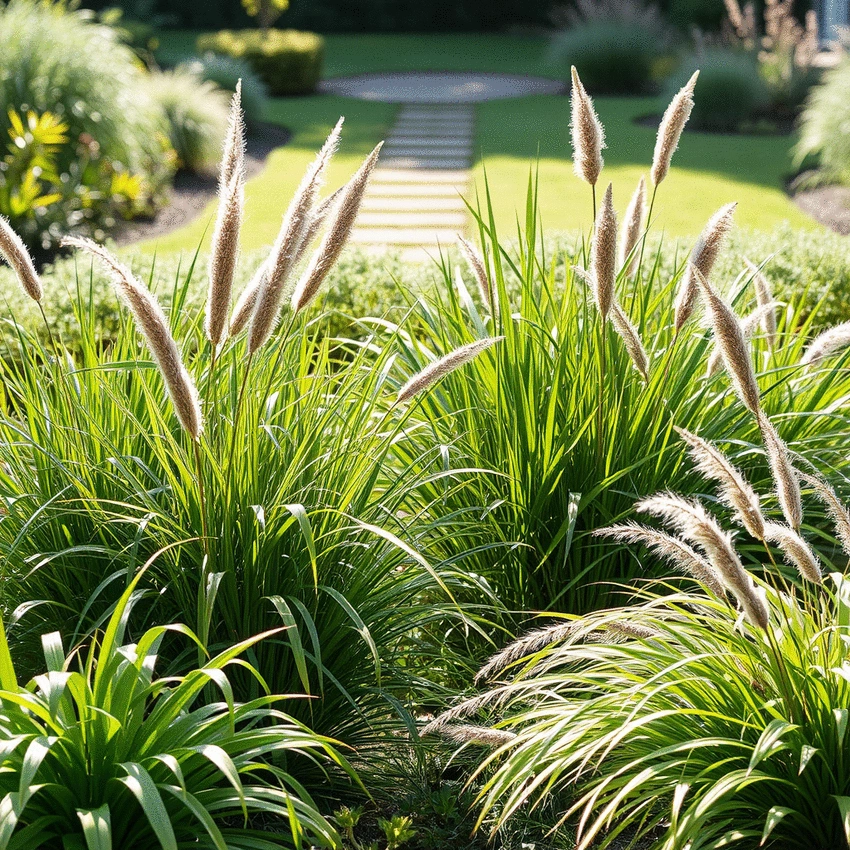
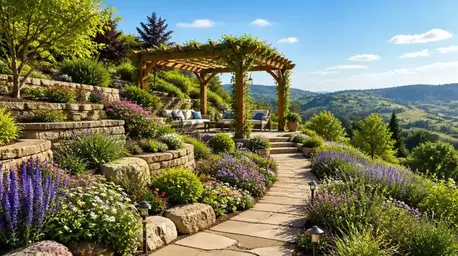
Did you know that the right choice of ornamental grasses can transform your garden into a vibrant, sustainable haven? These versatile plants not only beautify your outdoor space but also offer a range of practical benefits. Learn how to select the perfect grasses to elevate your landscape design!
What You Will Learn
Ornamental grasses provide texture and movement, enhancing the visual appeal of any landscape.
Choosing the right grass involves considering climate suitability, growth habits, and maintenance needs.
Common mistakes include neglecting sunlight requirements and overlooking soil types, which can lead to poor growth.
Avoiding invasive species is crucial for maintaining a healthy and sustainable garden ecosystem.
Native grasses often offer the best results for local conditions, supporting wildlife and enhancing biodiversity.
Successful planting requires proper soil preparation, adherence to planting guidelines, and regular maintenance.
Benefits and Key Considerations for Ornamental Grasses
Understanding the advantages and essential factors in selecting ornamental grasses can significantly enhance your landscaping choices. Below is a summary of key aspects. For more ideas on how to enhance your outdoor spaces, explore our guide on enhancing your outdoors with shrubs.
Aesthetic Benefits
Texture: Adds soft, flowing texture.
Movement: Sways with the breeze.
Seasonal Interest: Changes colors throughout the year.
Functional Benefits
Low Maintenance: Drought-tolerant and requires minimal care.
Privacy Screens: Can create effective screens for privacy.
Versatility: Suitable for various design ideas and purposes.
Key Selection Factors
Climate Suitability: Choose grasses that thrive in your region.
Growth Habit: Decide between clumping or running grasses.
Maintenance Needs: Be aware of care requirements.
Common Mistakes to Avoid
Ignoring Sunlight Needs: Each grass has specific sunlight requirements.
Soil Type Overlook: Different grasses thrive in different soils.
Neglecting Growth Habit: Misunderstanding spreading habits can lead to issues.
Understanding Ornamental Grasses and Their Role in Landscaping
Ornamental grasses offer a unique blend of beauty and functionality in landscaping! These versatile plants can transform any outdoor space into a stunning visual experience. Whether you want to create a serene retreat or a vibrant gathering area, incorporating ornamental grasses can elevate your garden design and add interest throughout the seasons.
One of the biggest advantages of ornamental grasses is their ability to adapt to various environments. They come in a variety of shapes, sizes, and colors, making them perfect for different design ideas. From the tall and majestic Miscanthus to the low-growing Blue Fescue, these grasses can serve multiple purposes, such as creating privacy screens or acting as eye-catching borders.
The Aesthetic and Functional Benefits of Ornamental Grasses
Incorporating ornamental grasses into your landscape design can greatly enhance both aesthetics and functionality! Here are some key benefits:
Texture: Grasses add a soft, flowing texture that contrasts beautifully with other plants.
Movement: Their ability to sway gently in the breeze brings life to your garden.
Low Maintenance: Many ornamental grasses are drought-tolerant and require minimal care.
Seasonal Interest: With changing colors and forms throughout the year, they keep your landscape vibrant.
These benefits make ornamental grasses a fantastic choice for any homeowner looking to refresh their outdoor space. I love how they can create a dynamic visual appeal while needing little attention! It’s a win-win situation!
Why Choosing the Right Ornamental Grass Matters
When it comes to selecting ornamental grasses, making the right choice is crucial to achieving your desired look and function. Consider the following factors:
Climate Suitability: Some grasses thrive in specific climates, so it’s essential to choose those that suit your region.
Growth Habit: Understand whether you prefer clumping or running grasses based on your design goals.
Maintenance Requirements: Assess how much time you’re willing to invest in care and upkeep.
The right ornamental grass can significantly enhance the overall aesthetics of your landscape, and at Ornamental Yard, we are here to help you navigate this selection process. By understanding your space and what each grass brings, you can create a harmonious garden that reflects your style! For more guidance on plant selection, check out our insights on seasonal foliage selection.
Key Factors in Selecting Ornamental Grasses for Your Landscape
Choosing the perfect ornamental grass isn’t just about picking what looks good; it’s about aligning your selection with your landscape needs and goals. Let’s delve into some essential factors to consider when making your decision!
Pro Tip
When selecting ornamental grasses, consider mixing different species to create a layered effect in your garden. This not only adds depth and visual interest but also helps with seasonal transitions as various grasses peak at different times throughout the year.
Common Mistakes to Avoid When Selecting Ornamental Grasses
When it comes to selecting ornamental grasses, even seasoned gardeners can make mistakes! Understanding some common errors can save you time, effort, and heartache down the line. By being aware of these pitfalls, you can make informed decisions that enhance the beauty of your landscape while keeping maintenance manageable.
One of the most significant errors I see is choosing the wrong type of grass for the specific conditions of your garden. Not every ornamental grass thrives in every environment, so it’s crucial to align your selection with your garden's unique attributes. This thoughtful approach not only leads to healthier plants but also ensures that your landscape flourishes beautifully.
Understanding Common Selection Errors
So, what are the common selection errors that can lead to frustration? Here are a few key points to consider:
Ignoring Sunlight Requirements: Each grass species has a specific sunlight need, whether full sun, partial shade, or full shade. Failing to consider this can result in lackluster growth.
Overlooking Soil Types: Different grasses prefer different soil conditions. Some thrive in sandy soils, while others need loamy mixes. It's essential to test your soil before planting.
Neglecting Growth Habits: Understanding whether a grass is clump-forming or running can affect how it spreads and fills your space. Choose wisely depending on your landscape design goals.
Identifying these selection errors early can help you avoid disappointment. At Ornamental Yard, I’ve learned through experience that choosing the right grasses not only supports their growth but also enhances the overall harmony of your garden design. For more tips on maintaining plant health, read our article on essential tips for tree care.
Why Grasses Fail: Key Factors to Consider
There are various factors that contribute to grass failure. Let's break them down:
Poor Site Conditions: If the site doesn’t match the grass's preferred conditions, it may struggle to establish itself.
Inadequate Watering: Newly planted grasses require consistent moisture to establish roots. Be cautious not to either overwater or underwater!
Competition from Other Plants: Ensure that your ornamental grasses aren’t overshadowed or outcompeted by larger plants.
By considering these factors, you can set your ornamental grasses up for success from the very beginning!
How to Ensure Successful Planting and Establishment
To ensure your ornamental grasses thrive, keep these tips in mind:
Prepare the Soil: Amend your soil with organic matter to improve drainage and fertility.
Follow Planting Guidelines: Pay attention to spacing and depth when planting to give each grass enough room to grow.
Regular Maintenance: Monitor your grasses for pests and diseases, ensuring they remain healthy and vibrant.
Taking these steps will not only improve the odds of survival for your ornamental grasses but will also contribute to a lush and inviting landscape.
Avoiding Invasive Species in Your Grass Selection
Choosing the right ornamental grasses also means being cautious about invasive species, which can quickly take over your garden! These grasses can outcompete native plants and disrupt local ecosystems. Let's explore how to make mindful selections.
Invasive species can be a real headache for gardeners, and many times, they may not even realize they’ve planted them. It’s crucial to familiarize yourself with local guidelines on invasive species. Here’s what to keep an eye out for:
Known Invasive Varieties: Be sure to avoid grasses like Miscanthus sinensis (Chinese silver grass) or Phragmites australis (common reed).
Native Grasses: Opt for native species when possible, as they are typically better suited to local conditions and support wildlife.
Local Resources: Consult local extensions or gardening clubs for advice on safe grass varieties that promote sustainability in your landscape.
By prioritizing native grasses, you’re not only enhancing your garden's beauty but also contributing positively to the environment!
Recognizing Invasive Grass Varieties
Knowing what to avoid is just as important as knowing what to plant. Here are some characteristics of invasive grasses:
Rapid Growth Rate: Invasive species tend to grow quickly and can dominate other plants.
Seed Dispersal: Many have aggressive seed dispersal methods, increasing the likelihood of spreading beyond your garden.
Resistance to Control: Invasive grasses often resist common control methods, making them hard to eliminate once established.
Being aware of these traits can help you make informed choices that keep your landscape healthy and thriving!
How to Choose Native Grasses for Sustainable Landscapes
Choosing native grasses is a fantastic way to promote sustainability while enhancing the beauty of your garden. Here are some tips for selecting the right varieties:
Research Local Species: Investigate which grasses are native to your region. Local nurseries often carry excellent selections!
Consider Wildlife Benefits: Native grasses often provide essential habitats for local wildlife and pollinators.
Check Growth Requirements: Understand their sun and soil needs to ensure successful growth.
At Ornamental Yard, I always encourage exploring native options to create a landscape that is both beautiful and beneficial to the environment. For more ideas on sustainable gardening, check out our guide on eco-friendly ornamental garden tips.
Frequently Asked Questions About Ornamental Grasses
Here are some common questions to help you further understand and utilize ornamental grasses in your landscaping:
Q: What are the main benefits of using ornamental grasses in a garden?
A: Ornamental grasses offer aesthetic benefits like texture, movement, and seasonal interest. Functionally, they are low-maintenance, drought-tolerant, can be used for privacy screens, and are versatile for various design ideas.
Q: What factors should I consider when selecting ornamental grasses?
A: Key factors include climate suitability (choosing grasses that thrive in your region), growth habit (clumping vs. running), and maintenance needs (how much care they require).
Q: What are some common mistakes to avoid when choosing ornamental grasses?
A: Common mistakes include ignoring specific sunlight requirements, overlooking soil types, and neglecting to understand the growth habits, which can lead to poor establishment and spread issues.
Q: Why is it important to avoid invasive grass species?
A: Invasive species can quickly take over your garden, outcompete native plants, and disrupt local ecosystems. Choosing native grasses helps maintain a healthy and sustainable garden environment.
Q: How can I ensure successful planting and establishment of ornamental grasses?
A: Successful planting involves preparing the soil with organic matter, following proper spacing and depth guidelines, and providing regular maintenance to monitor for pests and diseases.
Final Thoughts on Choosing Ornamental Grasses for Landscaping
As we wrap up this conversation about ornamental grasses, I hope you feel more empowered in your selection process. Remember that thoughtful choices can lead to beautiful and sustainable landscapes. Keep in mind the key factors we discussed, as they play a crucial role in achieving the garden of your dreams!
Summarizing Key Decision Factors for Selection
Before you head out to pick your grasses, here are the key decision factors to keep in mind:
Match Grass Types to Your Landscape Conditions: Assess sunlight, soil type, and moisture levels.
Focus on Aesthetic and Functional Needs: Consider how you want to use grasses in your design.
Avoid Invasive Species: Opt for native grasses to support local ecosystems.
Taking these steps will not only lead you to the right choices but will also pave the way for a thriving landscape!
Next Steps: Creating Your Personalized Grass Selection Plan
Now that you're equipped with knowledge, it’s time to create your personalized grass selection plan! Start by assessing your landscape’s unique needs, and jot down the grasses that appeal to you. Consider visiting local nurseries or garden centers to see them in person and get expert advice. For further inspiration, consider how easy-care trees can enhance urban gardens.
At Ornamental Yard, we believe that every garden tells a story. Let your selection reflect your personality and style, making it a space you genuinely love!
Engagement Opportunities and Resources
To further enhance your experience, consider utilizing our Grass Selector Tool available on the Ornamental Yard website! This tool can help you identify the best grasses tailored to your specific landscape conditions and preferences.
Additionally, we have a wealth of resources, including further reading materials and visual guides to inspire your landscape journey. Don’t hesitate to dive deeper into the world of ornamental grasses and discover all they have to offer.
Recap of Key Points
Here is a quick recap of the important points discussed in the article:
Versatility: Ornamental grasses come in various shapes, sizes, and colors, making them adaptable to diverse landscape designs.
Aesthetic and Functional Benefits: They enhance garden aesthetics with texture and movement, are low maintenance, and provide seasonal interest.
Right Selection Matters: Choose grasses based on climate suitability, growth habits, and maintenance requirements to ensure a thriving garden.
Avoid Common Mistakes: Be aware of sunlight needs, soil types, and growth habits to prevent poor selection outcomes.
Invasive Species Awareness: Opt for native grasses and avoid known invasive varieties to support local ecosystems.
Successful Planting Tips: Prepare soil, follow proper planting guidelines, and maintain regular care to ensure healthy establishment.