
Decorative Trees for Poolside Bliss
By Celia Fairchild / Oct 04
Are you ready to transform your outdoor space into a stunning oasis? Container gardening with elegant shrubs is not just about aesthetics; it's a chance to cultivate beauty and tranquility in your life. Explore how these versatile plants can enhance your gardening experience while providing lasting joy!
Explore the advantages of integrating shrubs into your container gardening. Below are the key reasons to choose shrubs over annuals, helping you to enhance your outdoors with shrubs.
Shrubs provide a solid backbone to your garden, maintaining their beauty throughout the seasons without the need for annual replanting.
Once established, shrubs require minimal care, making them perfect for busy gardeners who prefer low-maintenance options.
Shrubs can adapt to various climates and conditions, offering a mix of colors, textures, and shapes to fit any garden theme.
The varied heights and forms of shrubs create a layered look, enhancing the overall visual experience of your container garden.
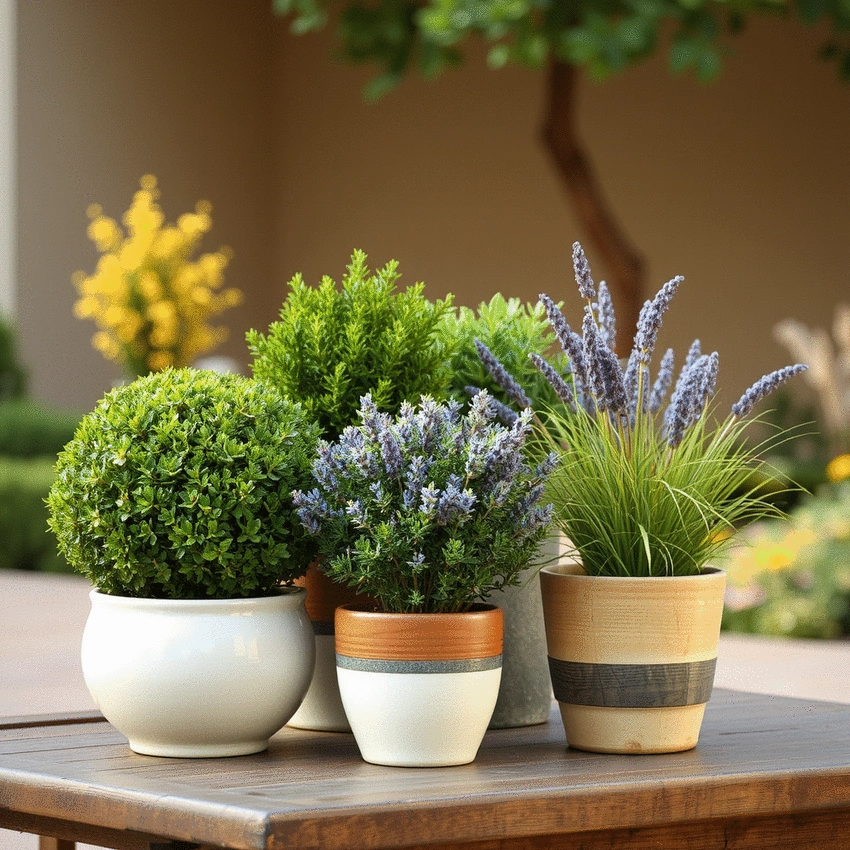
Are you looking to add a touch of sophistication to your outdoor space? Container gardening with elegant shrubs offers an exciting opportunity to create beautiful displays that are both stylish and functional. Unlike traditional gardens, container gardens allow you to showcase greenery in versatile and stunning ways, making them ideal for patios, balconies, and small yards. At Ornamental Yard, I believe that incorporating shrubs in containers can elevate your garden’s aesthetic while providing a manageable gardening experience!
One of the key reasons many homeowners, including myself, opt for shrubs over annuals in container gardening is their long-lasting beauty. Shrubs provide structure and consistency throughout the seasons, creating a solid backbone for your garden design. While annuals can be vibrant and beautiful, they require replanting each year. Shrubs, on the other hand, offer a more permanent solution that continuously enhances your space without the need for constant replacement.
When considering your options for container gardening, it's essential to think about your lifestyle and the amount of care you can provide. Shrubs stand out for their low maintenance needs, making them perfect for busy gardeners or those new to gardening. Once established, many shrubs require minimal watering and occasional pruning, allowing you to enjoy your beautiful garden without feeling overwhelmed by upkeep! For more options, explore elegant low-maintenance shrubs.
Additionally, shrubs can adapt to various climates and conditions, providing versatility in your gardening journey. With an exciting array of textures, colors, and shapes available, you can select shrubs that complement your personal style and garden theme. This adaptability makes shrubs a fantastic choice for anyone looking to create a stunning outdoor environment!
Imagine having a garden that remains beautiful throughout the year! Shrubs offer not only aesthetic appeal but also structure to your container garden design. Their varied heights and forms can create a layered look that draws the eye and enhances the overall experience of your outdoor space. By integrating different types of shrubs, you can achieve a harmonious blend that showcases your unique style.
Moreover, shrubs such as boxwoods or hydrangeas can serve as focal points within your container arrangement. This means you can create enchanting displays that change with the seasons without needing to start anew every spring! You’ll find that these plants help to establish a sense of permanence in your garden, grounding your design and allowing other elements to shine.
If you lead a busy lifestyle, choosing low-maintenance shrubs means less time fussing over your plants and more time enjoying your garden! Shrubs typically require less frequent watering compared to annual flowers, making them an ideal choice for gardeners who may travel or have limited time to dedicate to gardening. Many shrubs have drought-resistant qualities, further simplifying care.
Plus, with less planting and replanting, you can focus on other gardening tasks, such as designing beautiful arrangements or adding ornamental accessories. This ease of care allows you to appreciate the beauty of your garden without the stress of intensive upkeep. As a passionate landscape designer, I truly believe that the right choice of shrubs will empower you to create an elegant, flourishing container garden that you can cherish for years to come!
Here’s a brief recap of the key points discussed so far:
A1: Shrubs offer long-lasting beauty and structure, requiring less frequent replanting than annuals. They are also generally low-maintenance, making them ideal for busy gardeners.
A2: Key benefits include long-lasting beauty, low maintenance needs, versatility in adapting to various climates, and providing aesthetic structure and focal points in your garden design.
A3: Regular inspections, companion planting with pest-deterring herbs or flowers, and maintaining healthy practices like using quality potting mix and proper watering can help prevent pest infestations.
A4: Signs include roots growing out of drainage holes (root-bound), compacted or depleted soil, and stunted growth despite proper care.
A5: Choose a new pot only slightly larger than the old one, use fresh quality potting mix, and gently remove the shrub, loosening any tightly bound roots before transferring it.
Container gardening can be a rewarding hobby, but it also comes with its share of challenges. One of the biggest concerns gardeners face is managing pests and diseases that can threaten the health and beauty of their elegant shrubs. Understanding these issues and preparing for them can help ensure that your container garden stays vibrant and flourishing throughout the seasons.
Not only is it vital to know what to look out for, but it's equally important to implement effective preventive measures. By taking action early, you can protect your shrubs and enjoy their beauty without the worry of infestations or diseases. Let’s dive into the essentials of pest and disease management for your container garden!
To keep your container shrubs looking their best, it’s crucial to identify common pests that might invade your garden. Some of the most prevalent pests include:
Regularly inspecting your plants for signs of these pests can help prevent larger outbreaks. I often recommend checking under the leaves and along the stems, where pests like to hide. A little diligence can go a long way in maintaining a healthy garden! For more comprehensive care, consider these essential tips for tree care that can often be applied to shrubs as well.
Recognizing symptoms of pest infestations early can save your shrubs from significant damage. Look for these telltale signs:
Once you've identified the pest or disease, you can take appropriate action to address the problem. Remember, knowledge is power when it comes to safeguarding your plants!
Prevention is always better than cure. Here are some effective tips to keep your container shrubs healthy:
By following these simple preventive measures, you can help ensure that your beautiful container garden thrives! It’s all about creating a balanced environment for your shrubs to flourish.
Another common concern is knowing when and how to repot your shrubs to keep them healthy and thriving. Repotting can be intimidating, but I promise it’s not as stressful as it sounds. With a little preparation, you can easily transition your shrubs to new homes without upsetting their growth!
Paying attention to signs that indicate your shrub needs repotting is essential. These signs might include roots growing out of the drainage holes or stunted growth despite proper care. If you notice any of these, it’s time to consider repotting! You might also find valuable insights in articles about pruning tips for ornamental shrubs to maintain their health.
Recognizing these signs early can help you maintain the health of your container garden. Plus, it’s a great way to keep things fresh and encourage new growth!
When it’s time to repot, there are a few steps you can follow to minimize stress on your shrubs:
Repotting can be a simple yet effective way to refresh your container garden. Embrace it as part of your gardening journey, and your shrubs will thank you! For more ideas on how to incorporate various plants, consider layering plants in garden design to create depth and visual interest.
Here is a quick recap of the important points discussed in the article:
By Celia Fairchild / Oct 04
By Celia Fairchild / Oct 03
By Celia Fairchild / Sep 21