
Decorative Trees for Poolside Bliss
By Celia Fairchild / Oct 04
Did you know that incorporating ornamental trees into your landscape can enhance not only your privacy but also the beauty and ecological health of your garden? As more homeowners seek natural alternatives to traditional fencing, the benefits of these trees become increasingly clear.
Ornamental trees not only enhance privacy but also provide various environmental and aesthetic benefits. Below are some compelling reasons to choose ornamental trees over traditional fencing.
Trees absorb carbon dioxide and release oxygen, contributing to a healthier atmosphere.
Ornamental trees attract birds and beneficial insects, enhancing your garden's biodiversity.
Trees can help muffle sounds from nearby streets or neighbors, creating a quieter retreat.
Enjoy changing colors and blooms throughout the year, offering visual interest across all seasons.
When it comes to creating a private oasis in your yard, ornamental trees can play a vital role. They not only serve as functional barriers but also enhance the beauty of your landscape. At Ornamental Yard, I believe that the right trees can transform an ordinary space into a serene retreat that reflects your personal style.
Using ornamental trees for privacy landscaping offers several advantages over traditional fencing. For starters, trees provide a natural look that blends seamlessly with the environment. Furthermore, they can improve air quality and provide shade, making your outdoor space even more enjoyable! Have you considered how much more inviting your garden could be with a living privacy screen? For more ideas on how to integrate these beautiful plants, check out our guide on elegant landscaping with decorative trees.
Many homeowners are discovering the benefits of using ornamental trees for privacy. Not only do they create a beautiful backdrop for your garden, but they also offer unique advantages that fences can’t provide. Think about the peaceful rustle of leaves or the vibrant colors of blossoms as you sip your morning coffee.
Here are some compelling reasons to choose ornamental trees for your privacy needs:
While traditional fences provide immediate privacy, ornamental trees have long-term benefits that can outweigh those of wood or vinyl barriers. For one, trees grow and change, adding depth and character to your landscape. Plus, they require less maintenance in the long run compared to a fence that may need regular repairs. If you're looking for low-maintenance options, you might also be interested in elegant low-maintenance shrubs for your garden.
Moreover, ornamental trees can increase your property value. A well-placed cluster of trees creates an inviting atmosphere that potential buyers will appreciate. It’s an investment in both beauty and functionality that can pay off when it’s time to sell!
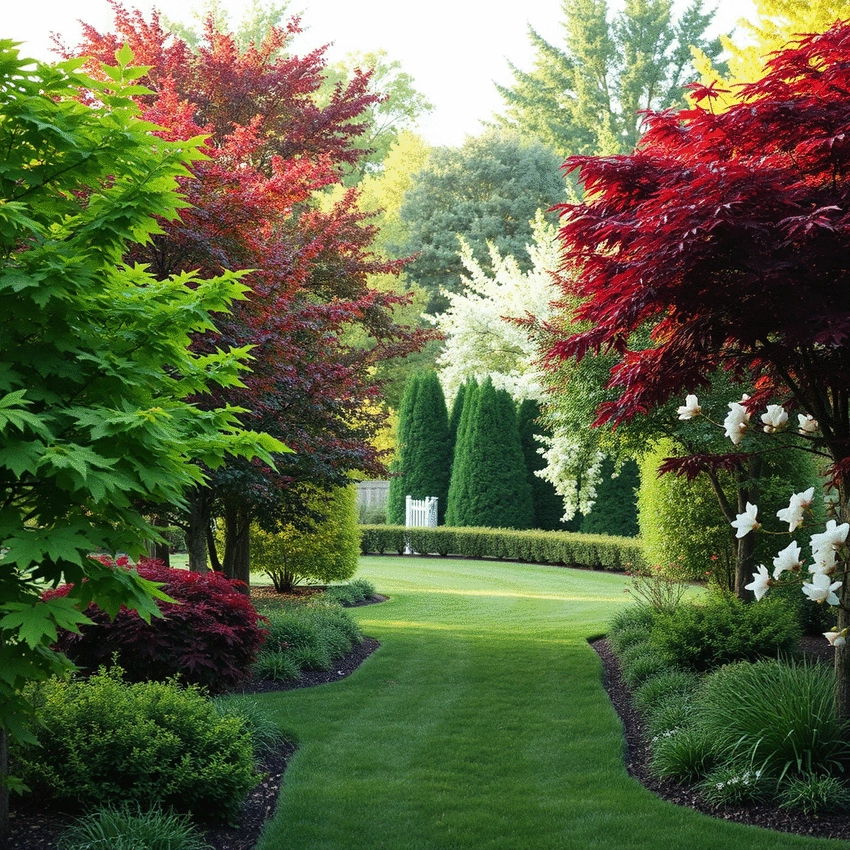
Ornamental trees offer a unique blend of aesthetics and environmental impact that enhances your outdoor space. Imagine walking through a garden where the soft greens and vibrant blooms are framed by majestic trees. Each tree can become a focal point, contributing to the overall harmony of your landscape.
Additionally, these trees help combat climate change by reducing urban heat and providing habitat for wildlife. They become not just a part of your garden but a vital component of the ecosystem in your area. Choosing ornamental trees is not only a design choice but a step toward sustainability, aligning perfectly with the mission of Ornamental Yard.
Here's a brief recap of the key points discussed so far:
Ornamental trees are not just beautiful additions to your garden; they also play a vital role in enhancing privacy throughout the year! Did you know that even in winter, some deciduous trees can maintain a sense of seclusion? During the colder months, trees like the flowering dogwood lose their leaves but provide a skeleton of branches that can still obscure views into your yard, creating a cozy atmosphere.
Choosing the right deciduous trees allows you to harness their summer foliage for full privacy, while their winter structure can still offer visual barriers. It's a unique way to enjoy the changing seasons while ensuring you maintain your sanctuary. So, what trees should you consider for a winter-friendly privacy solution? Let's dive into those options!
Deciduous trees have an important role to play even when they shed their leaves. Here are a few ways they can still provide privacy during the colder months:
Thinking about incorporating these trees into your landscape? They can be a great complement to evergreens that maintain their foliage year-round. Why not create a layered effect that offers privacy across all seasons? You can find more inspiration on layering plants in garden design to achieve this.
One of the most rewarding aspects of planting ornamental trees is their ability to attract wildlife! By incorporating these trees into your landscape, you can foster a vibrant ecosystem right in your backyard. Not only does this enhance your garden's beauty, but it also creates a habitat for various creatures.
Here are some significant ecological benefits of using ornamental trees in your landscaping:
At Ornamental Yard, I find joy in seeing the vibrant life that trees can bring to a garden! By selecting the right species, you can create a lively and harmonious environment, enriching both your space and the local ecosystem.
Just like any living thing, ornamental trees need some love and care to thrive! Taking the time to establish a proper maintenance routine will ensure your privacy trees flourish for years to come. Regular care not only enhances their beauty but also maximizes their effectiveness as privacy screens.
So what are the essential care techniques every homeowner should know? Let's explore some practical tips!
Proper pruning and watering are vital for the health of your privacy trees. Here are some key practices:
By implementing these simple techniques, you'll be on your way to growing thriving privacy trees that not only enhance your outdoor space but also provide the seclusion you desire! For more detailed advice, refer to our essential tips for tree care.
Just like any garden plant, privacy trees can be susceptible to certain pests and diseases. Here are a few common issues to keep an eye out for:
Identifying these issues early will help you respond effectively, maintaining the health and beauty of your landscape. Remember, at Ornamental Yard, I’m here to help you navigate any challenges you might face along the way! If you're looking for alternatives or companions for your privacy trees, consider exploring elegant shrubs for garden privacy.
Here is a quick recap of the important points discussed in the article:
By Celia Fairchild / Oct 04
By Celia Fairchild / Oct 03
By Celia Fairchild / Sep 21