
Decorative Trees for Poolside Bliss
By Celia Fairchild / Oct 04
Did you know that incorporating decorative trees into your outdoor space can dramatically enhance both aesthetics and functionality? As you embark on your landscaping journey, understanding the pivotal role trees play will empower you to create a beautiful and serene environment.
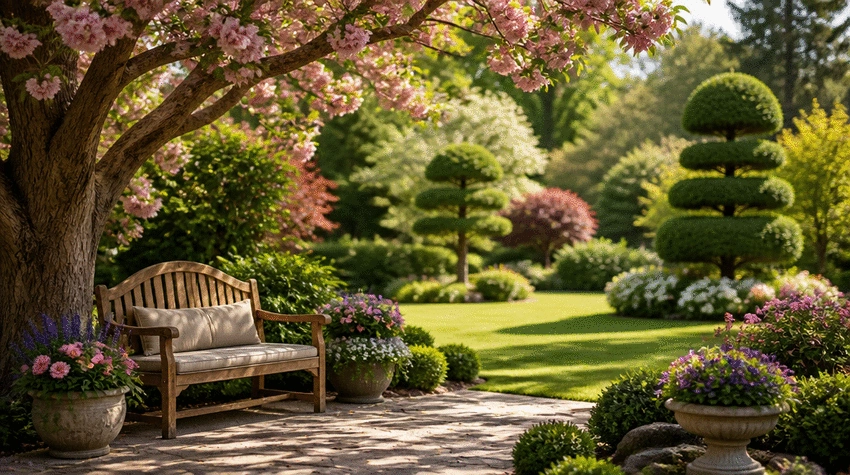
The selection of the right ornamental trees can significantly enhance both aesthetic appeal and functionality in landscape design. Below is a visual representation of the benefits of trees in outdoor spaces:
Transforming an outdoor space into a beautiful retreat starts with the right elements, and decorative trees play a pivotal role in this journey. At Ornamental Yard, I often emphasize the importance of selecting trees that not only enhance the visual appeal of your garden but also serve practical functions. Let's dive into how trees can elevate your landscape designs and create a harmonious outdoor environment! For more insights into creating stunning outdoor spaces, explore our guide on designing your luxurious outdoor space.
Trees are more than just beautiful additions to your garden; they are essential components of landscape design. One notable benefit of incorporating trees is their ability to provide shade and shelter, making outdoor areas more comfortable during warm months. Moreover, trees can enhance privacy, reduce noise pollution, and even contribute to energy savings by cooling nearby structures.
When it comes to aesthetics, the right decorative trees can create stunning focal points in your garden. Consider these benefits:
By thoughtfully selecting ornamental trees, you can infuse your garden with life and vibrancy, making it a true reflection of your style!
Trees can dramatically alter the dynamics of your outdoor space. They frame views, create pathways, and define zones within your garden. Have you ever noticed how a well-placed tree can make a small area feel more inviting? This is all about creating balance and flow in your landscape.
Moreover, trees can soften hard edges caused by fencing or buildings, enhancing the overall visual appeal. By strategically positioning them, you can manipulate how light and shadow play across your garden throughout the day, adding depth and dimension to the design. To learn more about selecting the perfect trees for different landscape needs, check out our article on choosing ornamental trees for landscapes.
Choosing the right ornamental trees is key to achieving a lush and inviting landscape. Factors such as size, growth habits, and seasonal beauty should all be considered. At Ornamental Yard, I encourage homeowners to explore a variety of options that align with their vision.
Here are some popular decorative trees that I love recommending:
These varieties not only add charm but also invite seasonal interest, ensuring your garden is captivating year-round!
When selecting trees, it's essential to consider how they will perform throughout the seasons. For instance, some trees may offer breathtaking blossoms in spring while others provide brilliant fall color. Think about:
By embracing seasonal diversity, you can ensure your garden remains a vibrant sanctuary all year long!
Incorporating native plants in your tree selection is an excellent way to support local wildlife and ensure sustainability in your garden. Native trees often require less maintenance and are better adapted to your local climate, making them a smart choice. Some examples include:
By choosing native trees, you help create a balanced ecosystem while celebrating the natural beauty of your region!
Now that you have an idea of the types of trees to consider, let's talk about how to place them in your landscape. The positioning of trees is crucial for visual impact and functionality. At Ornamental Yard, I often guide homeowners through the creative aspects of spacing and placement. For comprehensive care, including proper spacing and growth considerations, be sure to read our essential tips for tree care.
One effective technique is using specimen trees, which serve as focal points in your design. These trees are usually larger or more visually striking and can be positioned to draw the eye. Consider these patterns:
This approach creates interest and guides visitors through the space, inviting them to explore every corner!
When designing your landscape, think about how trees can define specific areas. For instance, a tall tree can serve as a backdrop for a seating area, while shorter trees can outline a pathway. Trees can:
By thoughtfully placing trees, you can create a well-defined outdoor space that feels both open and inviting!
If privacy is a top priority for you, don't underestimate the power of trees! Tall evergreen trees can serve as effective privacy screens, blocking unwanted views while adding beauty to your yard. Consider the following:
This thoughtful approach not only enhances privacy but also creates a serene outdoor environment, perfect for relaxation!
Here are some frequently asked questions about incorporating decorative trees into your landscape design:
A beautiful garden is a harmonious blend of plants and hardscaping elements. When integrating trees with patios, walkways, and other hardscape features, it’s essential to think about how they work together. As I often mention at Ornamental Yard, the right combination can elevate the entire look of your space!
Consider how trees can enhance your hardscape areas. For example, planting trees near patios can provide shade and create a cozy atmosphere for outdoor gatherings. Here are ways to pair trees with hardscaping:
This integration creates a seamless transition between nature and your constructed spaces, making the garden feel cohesive and inviting!
When designing your landscape, consider how trees can complement the architecture of your home. For instance, placing a tall tree near a front entrance can draw the eye upward and create an inviting entry. Here’s how to achieve this:
This thoughtful placement not only enhances your home’s curb appeal but also creates a welcoming atmosphere right from the start!
Hardscaping elements, such as patios and pathways, play a crucial role in your overall landscape design. They provide structure and functionality, allowing you to enjoy your garden fully. Here’s why hardscaping is essential:
The synergy between trees and hardscaping can elevate your outdoor experience, making it both beautiful and practical!
Even with the best intentions, it’s easy to make mistakes when placing trees in your landscape. At Ornamental Yard, I often help clients avoid these pitfalls to create a more balanced and harmonious garden. Read more about elegant landscaping with decorative trees to refine your design skills.
One common mistake is selecting tree species that don't complement each other. When choosing trees, consider:
Avoiding poor combinations will help your garden flourish and maintain visual harmony!
Another common mistake is improper spacing. Trees that are too close together can lead to overcrowding and stunted growth. Here’s what to keep in mind:
By promoting visual balance and proper spacing, you create a more inviting and healthy environment for your trees!
Once you’ve selected and planted your ornamental trees, ongoing maintenance becomes essential for their longevity. At Ornamental Yard, I believe that proper care ensures your trees remain beautiful and vibrant.
Understanding the growth rates of your trees helps in planning maintenance activities. Here are some care tips:
These proactive measures will keep your trees thriving and enhance their beauty over time!
To maintain the health of your decorative trees, it’s crucial to be aware of common diseases that may arise. Regular observation can help catch problems early. Look for:
By staying vigilant, you can prevent diseases from taking hold and ensure your trees remain healthy and strong!
Finally, regular garden maintenance techniques will help prolong the life of your ornamental trees. Here’s a consolidation of practices:
These simple yet effective techniques will ensure that your garden remains a beautiful sanctuary for years to come!
To truly appreciate the power of decorative trees in landscape design, let's look at some inspiring case studies that showcase transformations at Ornamental Yard. Each project tells a story of creativity and vision!
One of my favorite transformations involved a backyard that was once cluttered with overgrown shrubs. By strategically introducing ornamental trees such as flowering dogwoods and Japanese maples, the space was transformed into a serene oasis with stunning focal points. The result? A backyard that invites relaxation and enjoyment!
To illustrate the impact of these designs, I've compiled a gallery of before and after photos showcasing various projects. Each image highlights how careful tree selection and placement can breathe new life into any garden. From lush greenery to vibrant colors, these transformations illustrate the beauty and functionality trees can add to outdoor spaces!
Are you excited to start crafting your own elegant outdoor space with decorative trees? Let's embark on this journey together at Ornamental Yard, where we can explore the endless possibilities of landscape design!
When selecting decorative trees for your garden, consider their growth habits and maintenance needs. For example, some trees thrive in specific soil types or require more water than others. Performing a thorough assessment of your garden's conditions will help ensure that the trees you choose will not only flourish but will also complement the overall design of your outdoor space!
As we conclude our journey through the world of decorative trees, it's vital to reflect on the essential elements of creating stunning outdoor spaces. At Ornamental Yard, I’ve found that the key to success lies not only in selecting the right plants but also in understanding their role within the larger landscape. With that in mind, let’s recap some of the vital points to remember about tree selection and placement.
Choosing the right trees can profoundly impact the overall aesthetics and functionality of your garden. Here are a few key takeaways:
Making informed decisions about tree selection can set the stage for a beautiful landscape. Trees are not just plants; they are vital components that shape your outdoor experience. By choosing the right varieties, you can create an inviting atmosphere that reflects your personal style and enhances your home's curb appeal.
When it comes to placement, remember that trees can define spaces and create a sense of privacy. Ensure that trees are appropriately spaced and consider their growth patterns. This will help you avoid any unpleasant surprises down the road! For further guidance, explore our insights on decorative trees for outdoor appeal.
In summary, the art of integrating trees into your garden is all about balance and intention. Whether you're looking to create a peaceful retreat or a vibrant gathering spot, the right trees can transform your yard into a stunning oasis. Remember, at Ornamental Yard, my goal is to guide you in making choices that suit your unique vision.
As you plan your outdoor spaces, don't hesitate to experiment with different combinations of trees and plants. Your garden is a canvas, and you are the artist! Let your creativity flow and enjoy the process of designing your own slice of paradise.
Now that we've covered the essentials of tree selection and placement, I invite you to share your own garden experiences! Have you recently planted an ornamental tree? Or perhaps you've transformed your outdoor space in an inspiring way? I’d love to hear your stories and see your beautiful landscapes!
For those eager to delve deeper into the world of landscaping, numerous resources are available. Check out guides and articles that focus on decorative trees, landscaping techniques, and seasonal care tips. At Ornamental Yard, I’m dedicated to providing you with the information you need to make your garden dreams a reality!
Lastly, stay updated on the latest landscaping trends and innovations. As the world of gardening evolves, new styles and techniques emerge, allowing us to push the boundaries of design. From sustainable practices to innovative hardscaping materials, there’s always something exciting to explore! For more on this, check out our guide on elegant landscaping with decorative trees.
As you embark on this journey of garden design, remember that it’s not just about the destination but the experiences you create along the way. Happy planting!
Here is a quick recap of the important points discussed in the article:
By Celia Fairchild / Oct 04
By Celia Fairchild / Oct 03
By Celia Fairchild / Sep 21