
Decorative Trees for Poolside Bliss
By Celia Fairchild / Oct 04
Decorative trees can turn an ordinary outdoor space into a captivating sanctuary. Their visual appeal and environmental benefits make them essential elements in landscape design. As you embark on creating your perfect garden, understanding the pivotal role of decorative trees will enhance your experience and results.
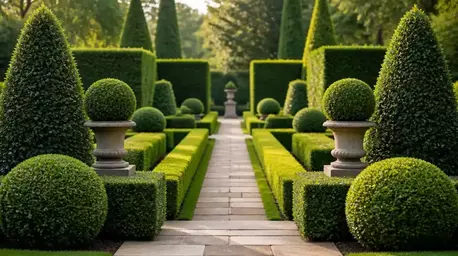
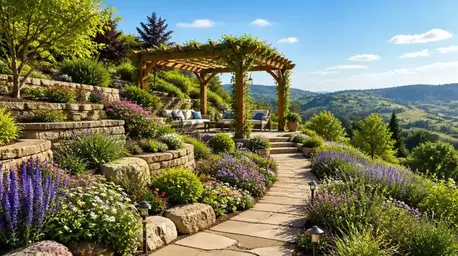
Decorative trees enhance outdoor spaces in various ways. Below are key benefits illustrated in a visual format. For more insights on how to choose the right trees for your landscape, check out our guide on choosing ornamental trees for landscapes.
Decorative trees can significantly reduce energy costs by providing shade to your home.
Trees filter pollutants and enhance air quality, benefiting the environment.
Well-placed trees can increase your property’s value by improving curb appeal.
They provide a serene environment, making your garden a relaxing getaway.
Decorative trees have the power to transform any outdoor space into a beautiful sanctuary. As a landscape designer, I understand how these stunning elements provide more than just aesthetics; they create a sense of peace and connection with nature. At Ornamental Yard, we believe that incorporating decorative trees can elevate the overall look of your garden while enhancing your home’s curb appeal.
By choosing the right trees, you can add color, texture, and structure to your landscape. But what exactly are decorative trees? Let’s dive deeper into their role and the benefits they bring to outdoor designs!
So, what are decorative trees? In essence, they are non-fruit-bearing trees specifically chosen for their visual impact. These trees come in various shapes, sizes, and colors, offering endless possibilities for your garden design. From elegant flowering varieties to majestic evergreens, decorative trees can serve as focal points or background elements in any landscape.
Integrating these trees into your outdoor space not only beautifies your garden but also creates a habitat for wildlife. They can attract birds and beneficial insects, contributing to a vibrant ecosystem right in your backyard! For more detailed guidance, consider our essential tips for tree care to ensure your trees thrive.
Decorative trees differ from fruit-bearing trees in that their primary purpose is to enhance visual appeal. Some popular examples include:
These trees can provide breathtaking blooms, unique foliage, and captivating forms, allowing you to create a garden that reflects your personal style.
The benefits of adding decorative trees to your landscape go beyond beauty. They can:
As you consider what trees to plant, think about how they can positively impact your outdoor space. Their presence brings life and vibrancy, transforming your garden into an inviting oasis.
Now that you understand the significance of decorative trees, it’s time to choose the right ones for your landscape. Factors such as climate, soil, and available space all play a crucial role in your selection process. After all, you want your trees to thrive and enhance your garden for years to come!
Being mindful of your environment ensures that you select trees that are not only beautiful but also suitable for your unique conditions. Let’s explore the key factors to consider! You might also find inspiration in exploring decorative trees for small gardens if space is a concern.
When selecting decorative trees for your outdoor space, keep these factors in mind:
Each of these factors will influence your tree selection and ultimately contribute to a thriving landscape that you can enjoy for years.
With countless options available, finding the perfect decorative trees can be exciting! Some popular choices include:
Each tree brings its own unique beauty and charm to your garden, inviting you to explore the endless possibilities of design!
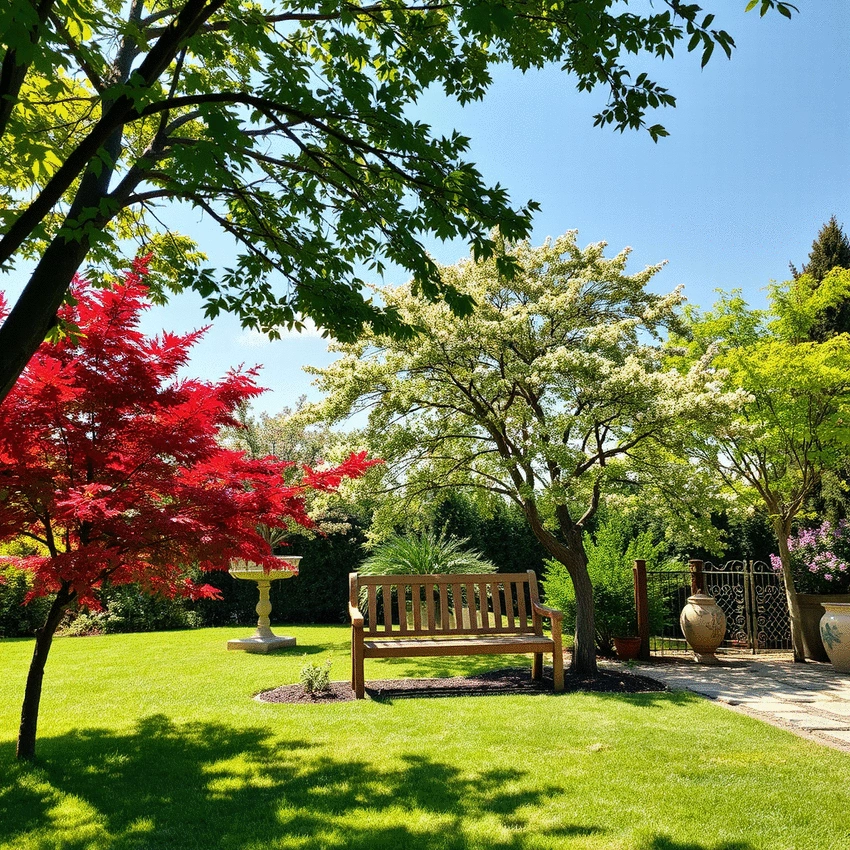
Let’s take a closer look at these three featured decorative trees:
These trees are not just beautiful; they also provide functionality in your landscape design. With the right trees in place, you can achieve a harmonious balance that enhances your outdoor space.
Decorative trees can be utilized in a variety of creative ways to maximize their impact. From gardens to patios, these trees can serve multiple purposes. In my experience, I’ve seen how thoughtful placements can transform an ordinary space into an extraordinary haven! For ideas on how to achieve elegant landscaping, explore our guide on elegant landscaping with decorative trees.
Let’s take a look at some innovative ideas for incorporating decorative trees into your outdoor areas.
We want to hear from you! Which decorative tree are you most excited to incorporate into your outdoor space?
As we wrap up our journey through the world of decorative trees, it’s clear that these magnificent plants hold the power to transform any outdoor space into a beautiful sanctuary. From enhancing the landscape's aesthetic appeal to providing environmental benefits, decorative trees are truly an asset to any garden. They not only serve as focal points but also contribute to the overall harmony and balance of your outdoor design.
When we reflect on the benefits of incorporating decorative trees, several key points come to mind. They offer shade, create privacy, and enhance biodiversity. Additionally, they can significantly increase the value of your property. At Ornamental Yard, I believe that a well-placed tree can create a serene ambiance, making your garden a lovely retreat. Just imagine sipping tea under the canopy of a graceful weeping willow or enjoying the vibrant blooms of a cherry blossom!
Are you excited to start your own decorative tree project? The first step is to envision your outdoor space and consider how trees can elevate its beauty. Think about the mood you want to create and the practical functions you wish to achieve. This creative process is where your unique style can shine! To get started, I recommend visiting a local nursery to explore different tree options or even utilizing resources available at Ornamental Yard.
As you embark on this journey, don’t hesitate to delve into resources that provide guidance on selecting and caring for your new decorative trees. There are numerous books, online articles, and even community groups that can offer valuable insights. You might also want to explore additional options like the flowering pear, blue spruce, and sweetgum—each bringing its own unique charm to your landscape! For more tips on maintaining the health and beauty of your trees, consider our advice on essential tips for tree care.
Remember, the world of decorative trees is vast, and every tree has a story to tell. So, take your time, enjoy the process, and let your creativity flourish as you design an outdoor space that reflects your personality and connects you with nature. Happy gardening!
Here is a quick recap of the important points discussed in the article:
By Celia Fairchild / Oct 04
By Celia Fairchild / Oct 03
By Celia Fairchild / Sep 21