
Decorative Trees for Poolside Bliss
By Celia Fairchild / Oct 04
Are you ready to transform your garden into a stunning retreat? The key might just lie in the trees you choose. Decorative trees with striking bark not only add texture and color but also bring a unique charm to your outdoor space. Let’s delve into the essential lessons you’ll take away from this exploration of bark's beauty in landscaping.
Discover the unique characteristics of various types of bark that enhance landscaping. These trees are essential for elegant landscaping with decorative trees.
Different bark types—smooth, rough, peeling—bring rich textures that contrast beautifully with softer foliage.
Bark comes in a variety of colors, from deep browns to graceful grays, offering endless options for color schemes in your garden.
As seasons shift, so does the appearance of tree bark, making it a year-round asset that continues to captivate.
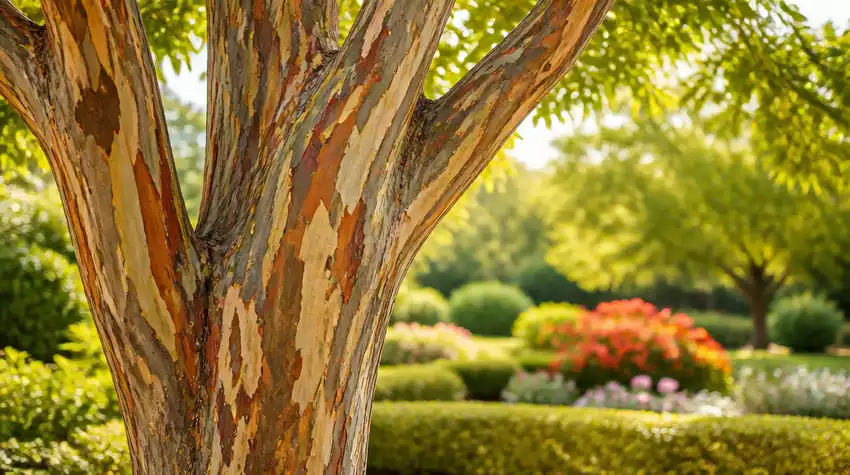
Trees like Paperbark Maple and Shagbark Hickory offer a wonderful textural element and vibrant visual interest.
Species like Kousa Dogwood and Japanese Zelkova have striking patterns that can make a statement in any landscape.
When we think about landscaping, our minds often jump to vibrant flowers and lush greenery. However, the visual impact of decorative trees with striking bark should not be overlooked! Incorporating these trees into your garden design can elevate your outdoor space in ways you might never have imagined. The unique textures and colors of tree bark can provide a stunning backdrop, adding depth and character to your landscape.
Imagine walking through your garden and being drawn to a tree with rich, peeling bark that catches the sunlight just right. The contrast between the smooth leaves and the rugged trunk creates an inviting visual experience. Not only does bark add texture, but it can also introduce unexpected hues, making it a fantastic focal point for any garden layout. By choosing trees with interesting bark, you can create an ever-evolving nature-inspired art piece right outside your window! For more ideas on how to incorporate these into your yard, check out our guide on decorative trees for outdoor appeal.
What makes bark so special? Its aesthetic benefits are numerous, and here are just a few reasons to consider:
At Ornamental Yard, I’ve seen firsthand how decorative trees with captivating bark can transform a simple yard into a harmonious retreat. Trees like the paperbark maple not only provide shade but also act as conversation starters, drawing the eyes of family and friends alike.
When selecting trees for your landscaping, it’s essential to think about their seasonal characteristics. Trees with interesting bark can shine brightest during winter months when many plants have lost their leaves. The stark contrast of bare branches against the bark can create striking silhouettes against the winter sky.
For example, the Himalayan birch boasts stunning white bark that stands out beautifully in a snowy landscape. Meanwhile, the texture of a shagbark hickory can add a rustic feel to your winter garden. Having trees that maintain their beauty throughout the year ensures that your outdoor space remains inviting, no matter the season.
Let’s dive deeper into the different types of bark and how they can enhance your landscape design. Trees with peeling or shaggy bark offer a wonderful textural element. Here are a few species to consider:
When I design spaces at Ornamental Yard, I love combining these trees to create layered looks that invite exploration and admiration. The contrast in bark can also enhance the visual narrative of your garden, providing a delightful experience for everyone who visits. To ensure these trees thrive, understanding essential tips for tree care is crucial.
Moving on to trees with striped or mottled bark, these designs can truly make a statement in any landscape. Consider these standout species:
Having trees with such eye-catching patterns can create a stunning backdrop for your garden, inviting all who pass by to stop and take a closer look.
Smooth and corky bark types might not shout as loudly, but they offer their own kind of understated beauty. Here are some excellent choices:
These subtle beauties can blend seamlessly into any garden while still making a significant impact. At Ornamental Yard, I often recommend these trees for those who prefer a more classic and elegant aesthetic. For more insights on selecting the right trees, explore our guide on choosing ornamental trees for landscapes.
Finally, let’s explore some additional decorative trees with remarkable bark characteristics:
These trees not only add beauty but also serve functional roles in your landscape. Whether providing shade, acting as a privacy screen, or simply adding visual interest, they deserve a place in your outdoor design!
When selecting trees for your landscape, consider their bark not just for its beauty, but also for its ecological benefits. Trees with textured bark can provide habitats for various wildlife, including birds and beneficial insects. By choosing a mix of trees, you create a thriving ecosystem that enhances not only your garden's aesthetics but also its biodiversity.
As we wrap up our discussion on selecting decorative trees with striking bark, let's take a moment to reflect on the vital factors that can guide your choices. The beauty and appeal of your landscape can be significantly enhanced by considering the bark characteristics of various tree species. Remember to evaluate not just how these trees look but also how they will fit into your garden's environment and your personal style.
Here are some key points to consider when making your selections:
Reflecting on these factors will not only help you choose the best trees for your landscape but also align with your gardening goals. At Ornamental Yard, I believe that each tree can tell a story through its bark, contributing to a garden that is not just beautiful but also meaningful. As you plan your outdoor space, consider how each element can inspire tranquility and creativity.
Let’s summarize some important takeaways for you:
Now that we've explored how to select decorative trees, it's time for you to take action! Evaluate your garden space and think about how the unique bark of trees can contribute to both aesthetic and functional roles in your outdoor oasis. Whether you're looking to create a stunning focal point or a cozy privacy screen, the right tree can make all the difference. For ideas on maximizing beauty in smaller spaces, check out decorative trees for small gardens.
Here are some next steps to consider:
With the right decorative trees, your garden can transform into a breathtaking retreat that reflects your personality and enhances your connection with nature. Happy gardening!
Here is a quick recap of the important points discussed in the article:
By Celia Fairchild / Oct 04
By Celia Fairchild / Oct 03
By Celia Fairchild / Sep 21