
Decorative Trees for Poolside Bliss
By Celia Fairchild / Oct 04
Did you know that effective plant pairing can transform not just the aesthetics of your garden, but also its functionality? By understanding the art of combining shrubs with decorative trees, you can create a vibrant outdoor space that attracts wildlife and reduces maintenance efforts. Let's dive into the invaluable insights you can gain to elevate your gardening game!
Understanding the essential elements of successful plant pairings can greatly enhance your garden's design. For more tips on creating a visually appealing outdoor space, consider exploring elegant landscaping with decorative trees.
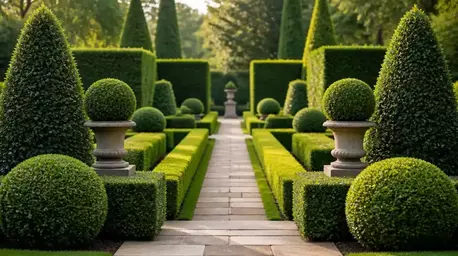
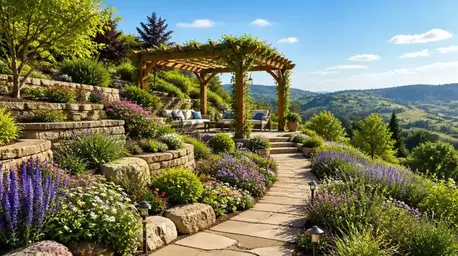
When it comes to creating a stunning landscape, understanding the art of plant pairing is essential. Combining shrubs with decorative trees not only enhances the visual appeal of your garden but also provides a variety of functional benefits. For instance, shrubs can help create a natural privacy screen, while trees can offer shade and structure. Together, they form a harmonious design that invites people to explore and enjoy your outdoor space.
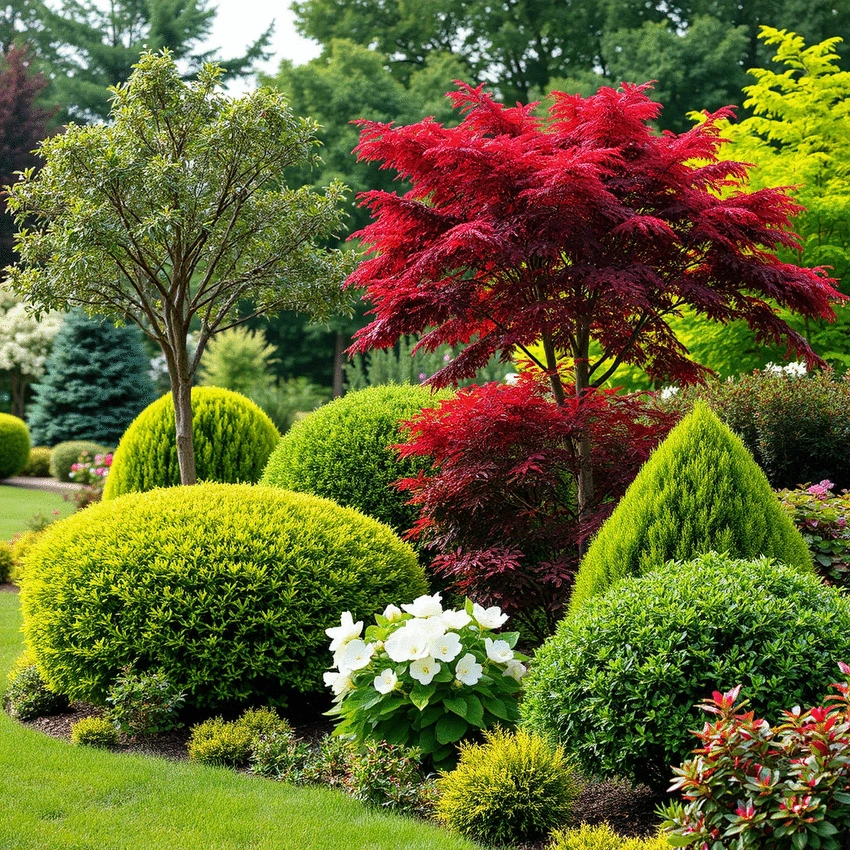
Pairing shrubs with decorative trees can elevate your garden’s aesthetic in several ways. First, it allows for a more dynamic visual experience by adding layers and depth to the landscape. Secondly, the right combinations can foster a more balanced ecosystem, attracting beneficial wildlife such as birds and pollinators. Lastly, using both trees and shrubs effectively can significantly reduce maintenance efforts while enhancing the overall health of your garden.
As I work with clients at Ornamental Yard, it’s clear that understanding these benefits inspires homeowners to experiment with different combinations. Imagine a vibrant flowering dogwood standing alongside a lush flowering shrub—it’s a sight that captures the heart! So, as you begin to think about your own outdoor space, consider the beauty and functionality that pairing can bring. For more ideas on how to enhance your outdoors with shrubs, explore our detailed guide.
Before diving into plant pairings, it’s crucial to consider a few key factors that can influence compatibility. Start by assessing the hardiness zones in your area. This ensures that the plants you choose can thrive in your local climate. Next, consider the light requirements of each species; some plants prefer full sun, while others thrive in the shade. Lastly, think about the maintenance levels of the plants you select—pairing high-maintenance plants with low-maintenance ones can lead to challenges down the road.
At Ornamental Yard, I always encourage homeowners to observe their yard throughout the day. Do you notice which areas are sunny or shady? This simple observation can guide you in selecting the right combinations for your landscape. Ultimately, taking these factors into account will lead to thriving plants that not only look fantastic but also complement each other beautifully.
The health of your garden largely depends on the soil type you have. Different plants thrive in various soil conditions, so it’s essential to understand your garden’s makeup. For instance, clay soils retain moisture but may drain poorly, while sandy soils drain well yet can dry out quickly. By knowing your soil type, you can select plants that will flourish and create a thriving ecosystem in your yard.
When I visit clients’ gardens, I often discover that soil testing can reveal surprising results. You might find that one corner of your yard has rich, loamy soil perfect for growing vibrant foliage, while another may need amendments. By understanding these factors, you can make informed decisions that will lead to a healthy, beautiful garden! Dive deeper into essential tips for tree care to ensure your trees thrive.
To ensure thriving plant pairings, consider incorporating native plants into your landscape design. Native species are well-adapted to your local climate and soil conditions, requiring less maintenance and providing essential habitat for local wildlife. Not only do they enhance biodiversity, but they also create a more resilient ecosystem in your garden!
As we wrap up our exploration of plant pairing, it’s essential to reflect on the key aspects that contribute to successful landscaping. Pairing shrubs with decorative trees can significantly enhance your garden’s aesthetics and functionality. Remember to consider the plant's hardiness zones, light requirements, and the maintenance levels that suit your lifestyle. These elements are crucial in ensuring a thriving garden that brings you joy!
Additionally, think about layering techniques, seasonal interest, and the unique characteristics of your space. By focusing on these aspects, you can create a harmonious outdoor environment that reflects your personal style. Have you thought about how many colors and textures can come together to tell a story in your yard? It’s all about finding the right balance!
Now that you have a better understanding of plant pairing, it’s time to take practical steps in your garden! Start by sketching out a plan that incorporates the insights we've discussed. Consider visiting your local nursery or the Ornamental Yard website for inspiration and expert advice on the best plants for your specific conditions. Don’t hesitate to reach out for professional consultation if you feel overwhelmed—sometimes a little expert guidance can make all the difference!
Here are a few next steps to kickstart your landscaping journey:
Engaging with others who share your passion for gardening can be incredibly rewarding! I encourage you to connect with local gardening groups or online forums to exchange ideas and showcase your creations. These communities are great for finding inspiration and support as you embark on your landscaping journey.
Consider sharing:
Connecting with like-minded individuals can fuel your creativity and foster a sense of community in your gardening efforts. Remember, each garden tells a story, and yours is worth sharing! For more insights on creating beautiful outdoor spaces, explore designing your luxurious outdoor space.
As you continue on your landscaping journey, it’s natural to have questions about plant pairing. Here are some common queries I often hear:
These questions can help guide your decisions as you explore the art of plant pairing. Remember, gardening is a journey, and every question is an opportunity to learn and grow! Let’s make your outdoor space a beautiful reflection of you. Happy gardening!
Here is a quick recap of the important points discussed in the article:
By Celia Fairchild / Oct 04
By Celia Fairchild / Oct 03
By Celia Fairchild / Sep 21