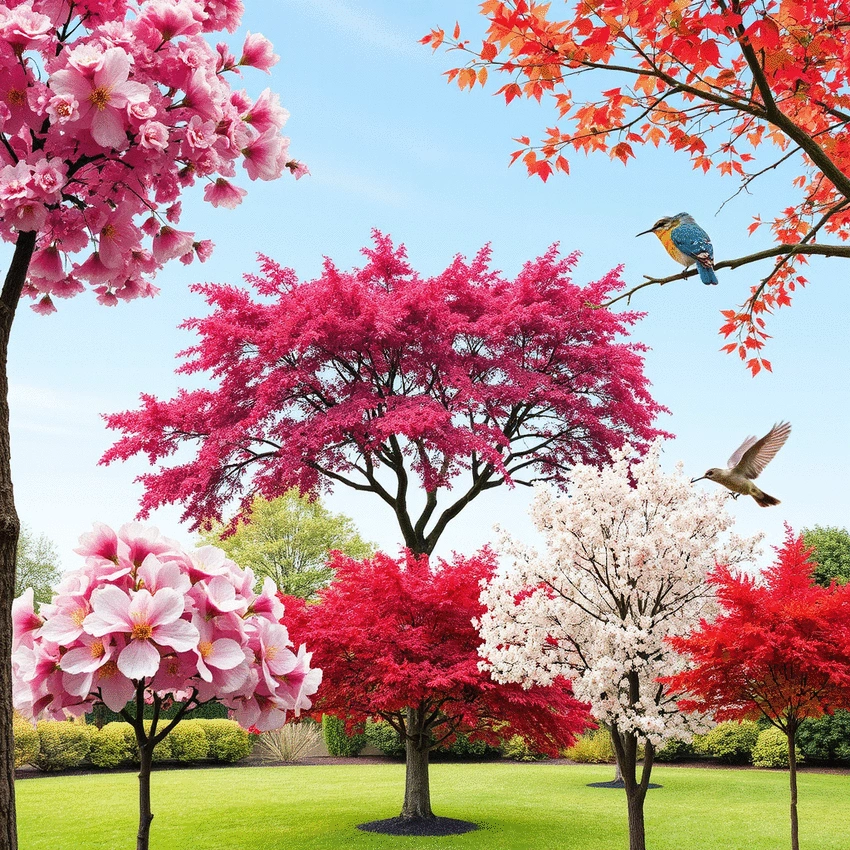

Decorative Trees for Poolside Bliss
By Celia Fairchild / Oct 04
Are you looking to create a vibrant, wildlife-friendly garden? Ornamental trees not only enhance the beauty of your space but also serve as essential habitats for birds and other wildlife. Let’s explore why these trees are a vital part of your garden and how they can contribute to a healthier ecosystem.
Ornamental trees provide essential resources for local wildlife, contributing to a balanced ecosystem. Below are key benefits illustrated for easy understanding. To learn more about selecting the best trees for your space, explore our guide on choosing ornamental trees for landscapes.
Ornamental trees produce fruits and nuts, essential for birds and small mammals, ensuring their sustenance.
The branches and foliage provide essential cover for species, protecting them from predators and harsh weather.
Birds often build their nests in trees, providing safe havens for raising their young.
More trees result in more habitats, enriching the local ecosystem and supporting a variety of species.
When we think about creating a beautiful garden, it’s easy to focus solely on aesthetics. However, ornamental trees play a crucial role in supporting local wildlife. They provide essential resources like food, shelter, and nesting sites for a variety of bird species and other wildlife, forming an integral part of the ecosystem. Imagine your garden buzzing with life, with birds flitting about and creating a vibrant atmosphere!
Ornamental trees contribute to biodiversity by serving as habitats for different species. For example, many birds rely on trees not just for food, but also for places to rest and raise their young. The presence of these trees can help maintain a healthy balance within the ecosystem, fostering a thriving environment where wildlife can flourish.
Every tree plays a significant role in its ecosystem, especially ornamental trees. Here are a few ways they contribute:
By incorporating ornamental trees into your garden, you’re not just enhancing its beauty; you’re also creating a supportive environment for various forms of wildlife. Imagine how rewarding it would be to see a family of robins nesting in the branches of your newly planted serviceberry tree! To keep your trees healthy and thriving, make sure to follow essential tips for tree care throughout the year.
Choosing ornamental trees that attract birds and wildlife has both aesthetic and ecological benefits. For starters, these trees can enhance the look of your garden, adding color and structure throughout the seasons. But beyond mere decoration, they also promote ecological health in several ways:
When you plant trees that are beneficial to wildlife, you’re creating a garden that is not only beautiful but is also a sanctuary for various creatures. At Ornamental Yard, we believe in the power of nature to inspire us in our outdoor spaces—every tree can tell a story and create a connection to the world around us!
Now that we understand their importance, let’s dive into some of the top ornamental trees you can plant to attract birds and other wildlife to your garden. These trees not only beautify your space but also support the local ecosystem!
To maximize your garden's appeal to birds and wildlife, consider planting a mix of native and ornamental trees. Native trees are particularly beneficial as they are adapted to the local climate and soil conditions, providing the best food and habitat for local wildlife. For instance, adding trees like Red Maple alongside ornamental varieties not only enhances the beauty of your garden but also supports the ecosystem effectively. You might also want to consider flowering trees for backyard beauty to further attract pollinators and birds.
Creating a vibrant garden isn't just about planting ornamental trees; it's about how these trees interact with other plants around them. Companion planting can enhance the beauty of your landscape while attracting even more wildlife. Imagine walking through your garden, with the rustle of leaves and the sweet song of birds all around you, thanks to the thoughtful pairing of trees and other plants!
One way to engage your garden is by selecting non-tree plants that work beautifully alongside your chosen ornamental trees. By doing this, you can create a lush environment that fosters biodiversity. Complementary plants can offer additional food sources and shelter, attracting more birds and beneficial insects.
When designing your landscape, think about how to optimize habitats for various wildlife. You can transform your garden into a sanctuary for birds and butterflies with a little planning. This not only enhances your outdoor space but also supports a healthier ecosystem in your area. For more ideas on how to achieve this, explore elegant landscaping with decorative trees.
Consider these tips to create inviting habitats:
At Ornamental Yard, I love to see how these simple changes can transform a yard into a haven for wildlife. Remember, even small actions can lead to significant benefits for our feathered friends and beautiful butterflies!
Here are some frequently asked questions about using ornamental trees to attract birds and wildlife to your garden.
Many homeowners ask, “Which trees should I plant to attract the birds I love?” Different bird species have specific preferences, so it’s essential to choose wisely. Some excellent choices include:
Creating a welcoming environment for birds in your yard is easier than you might think! Here are some practical tips to get you started:
Remember, engaging with nature can be a joy! Each step you take in creating a bird-friendly environment will make your yard feel even more alive. Let’s get started on this journey together! For more inspiration, consider how to enhance your garden with ornamentals.
Here is a quick recap of the important points discussed in the article:
By Celia Fairchild / Oct 04
By Celia Fairchild / Oct 03
By Celia Fairchild / Sep 21