
Decorative Trees for Poolside Bliss
By Celia Fairchild / Oct 04
As climate change becomes an ever-pressing issue, the shift towards sustainable gardening practices has never been more critical. Drought-resistant ornamental trees serve as a beacon of hope, allowing us to create beautiful landscapes while conserving precious water resources. By choosing wisely, we can make a significant impact on our environment.
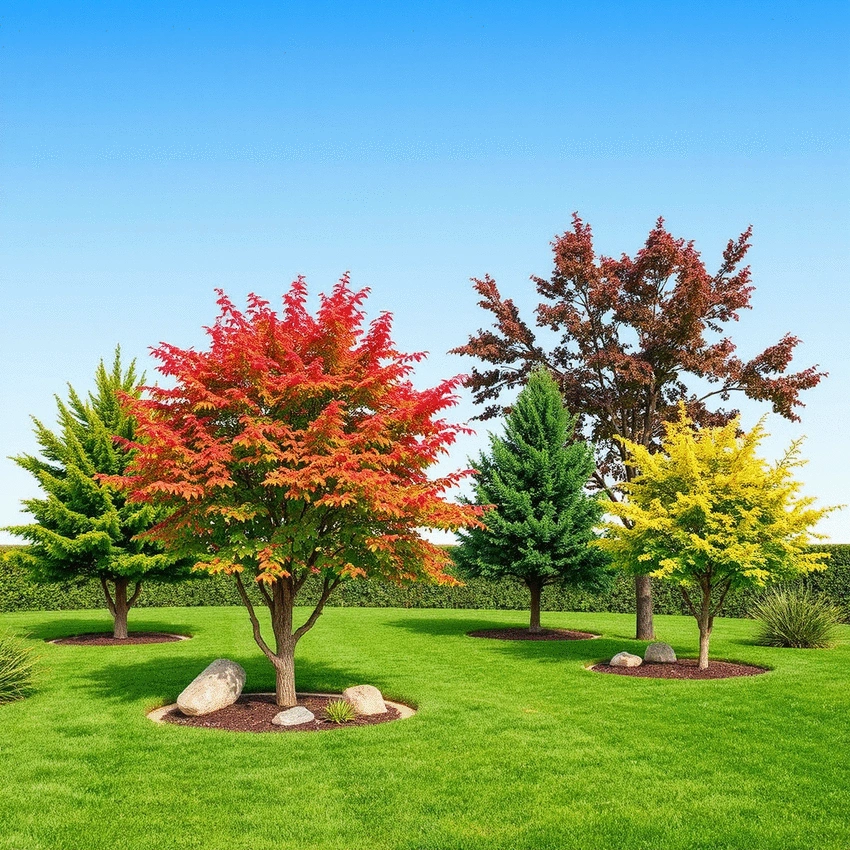
Drought-resistant ornamental trees offer various advantages for sustainable gardening, which can be visually summarized in the following layout:
These trees require less irrigation, helping to conserve water and reduce costs.
Drought-resistant trees typically need less pruning and care, ideal for busy lifestyles.
Native drought-tolerant species support local wildlife, promoting a balanced ecosystem.
Strong root systems of these trees help prevent soil erosion, especially in hilly areas.
Trees provide shade, lowering cooling costs for homes in warmer climates.
Drought-resistant trees come in various shapes, sizes, and colors, enhancing landscape appeal.
As we navigate the challenges of climate change, the need for drought-resistant ornamental trees has become increasingly important. At Ornamental Yard, I believe these trees not only enhance the beauty of our gardens but also promote sustainability. By choosing the right varieties, homeowners can create stunning landscapes that thrive with minimal water, contributing to a healthier environment. For more insights on how to achieve elegant landscaping with various decorative trees, visit our guide on elegant landscaping with decorative trees.
Drought resistance in landscaping means selecting plants that can withstand dry spells and conserve water. This approach supports sustainable gardening practices and reduces the overall demand for irrigation. Imagine stepping into a garden filled with vibrant colors and textures, knowing that each tree has been chosen for its resilience and ability to thrive in challenging conditions!
Understanding the significance of drought resistance is crucial for anyone looking to create a sustainable garden. Not only does it reduce water usage, but it also helps maintain soil quality and supports local ecosystems. When we plant trees that can withstand drought, we are investing in a greener future for our communities.
Incorporating these trees into your landscape can lead to a variety of benefits, including:
Drought-resistant ornamental trees are specifically adapted to thrive in low-water conditions. They possess unique features, such as deep root systems and waxy leaves, that help them conserve moisture. This means they can survive in periods of little rain without sacrificing their beauty.
At Ornamental Yard, we often discuss the importance of selecting trees that align with your garden's unique conditions. For instance, knowing your USDA zone can guide you in choosing varieties that will flourish in your local climate. For additional tips on maintaining the health and beauty of your trees, explore our essential tips for tree care.
Choosing drought-resistant trees contributes to a sustainable garden design. Not only do these trees provide aesthetic appeal, but they also play a vital role in improving air quality and sequestering carbon. Imagine a garden filled with greenery that not only enhances your home but also benefits the planet!
Here are several key benefits of using drought-tolerant trees in your landscape:
When selecting drought-tolerant trees, it's essential to understand their key characteristics. These trees often exhibit specific traits that enable them to survive in arid conditions. By recognizing these features, you can make informed choices for your garden.
Some notable characteristics of drought-tolerant trees include:
One of the beauties of drought-resistant ornamental trees is their adaptability to different USDA zones. Whether you live in a hot, dry climate or a more temperate area, there are suitable options available. This versatility allows everyone to embrace sustainability in their garden, regardless of their location.
As you explore potential trees, consider their hardiness zones to ensure they will thrive in your environment. This simple step can make a significant difference in the success of your garden! For further guidance on selecting trees that will flourish in your specific region, consider reading our article on choosing ornamental trees for landscapes.
Conserving water is a critical aspect of sustainable gardening. Drought-tolerant trees are designed to thrive in conditions where water is scarce, making them invaluable in water-sensitive regions. Their ability to withstand drought not only saves you time and resources but also supports the local ecosystem.
Factors that contribute to their soil tolerance include:
Here's a brief recap of the key points discussed so far:
Building a vibrant community around your garden can be incredibly rewarding! At Ornamental Yard, we believe that sharing knowledge and experiences enhances the beauty of our outdoor spaces. Whether you’re a seasoned gardener or just starting, personal stories about drought-resistant trees can inspire others to create sustainable gardens in their own backyards.
By incorporating user testimonials and success stories, we can highlight the benefits of choosing drought-tolerant ornamental trees. From how they thrive in challenging conditions to the joy of seeing pollinators visiting your garden, these experiences foster a sense of connection and motivate others to take action in their own gardens.
Have you recently planted a drought-resistant tree that has exceeded your expectations? Sharing your personal experiences can encourage others to make similar choices. If you have a vibrant Texas Redbud or a striking Green Hawthorn thriving in your yard, tell us about it!
Here are some ways to engage your community:
When we share our stories, we not only inspire others but also build a community of sustainable gardeners who support and uplift one another.
Personal stories are powerful tools for encouraging sustainable practices! I often hear from fellow gardeners about their favorite drought-resistant choices, and their journeys inspire me to explore new possibilities in my own landscape. Whether it's the vibrant blooms of a flowering tree or the shade provided by a sturdy oak, these experiences resonate deeply.
Consider sharing:
Every garden has a story, and by sharing your experiences, you contribute to a tapestry of knowledge that helps others make informed decisions. For those looking to add year-round beauty to their landscape, our article on year-round trees for your landscape offers excellent suggestions.
At Ornamental Yard, we envision a thriving community of gardeners who are passionate about sustainability. By participating in local events or hosting workshops, you can play a pivotal role in creating awareness about drought-tolerant plants and their benefits. Engaging your neighbors fosters a spirit of cooperation and shared learning.
Consider these ideas for building community:
The more we work together, the more impactful our gardens can be in promoting a sustainable future.
As gardeners, we often have questions about the best practices for maintaining our green spaces. Engaging with your gardening community is a great way to find answers and share knowledge. Here are some commonly asked questions about drought-resistant ornamental trees:
The best zones for planting drought-resistant trees depend on your local climate. Generally, many drought-tolerant trees thrive in USDA Zones 5 through 9. However, it’s essential to select species that are specifically suited to your area. Local gardening centers, like those in my community, can provide invaluable advice tailored to your region!
To create a water-wise garden, consider the following strategies:
By adopting these methods, you’ll help your garden thrive while conserving water!
Drought-resistant trees offer numerous benefits, including reduced water usage, lower maintenance needs, enhanced biodiversity, improved soil erosion control, and increased energy efficiency due to shade provision.
Absolutely not! Drought-resistant trees come in a wide variety of shapes, sizes, and colors, providing beautiful aesthetics that can significantly enhance any landscape design without sacrificing sustainability.
While many drought-resistant trees are adaptable to a range of USDA zones, it’s crucial to select species specifically suited to your local climate and hardiness zone to ensure they thrive with minimal intervention.
Drought-resistant trees typically develop strong, deep root systems that help anchor the soil, effectively preventing erosion, especially in sloped or hilly areas.
Creating a sustainable garden is not just about planting trees; it's about fostering a culture of sustainability in our communities. I encourage you to become an advocate for sustainable practices where you live!
One of the most impactful ways to promote sustainability is to encourage the use of native plants and increase biodiversity. Native plants often require less water and are better adapted to local conditions, so they thrive with minimal intervention. This practice not only enriches our landscapes but also supports local wildlife. For more on creating eco-friendly outdoor spaces, check out our eco-friendly ornamental garden tips.
Here are some ways to get involved:
Every small action contributes to a healthier ecosystem!
As you embark on your gardening journey, don’t forget to seek out resources that can enhance your knowledge and skills. At Ornamental Yard, we aim to provide you with articles, tips, and ideas to keep your gardening spirit alive. Consider exploring:
Learning never stops, and the more we understand, the better we can care for our gardens and the environment.
As we wrap up our discussion on drought-resistant ornamental trees and sustainable gardening, I invite you to reflect on your gardening journey. What steps can you take to enhance your green space? Share your stories, successes, and challenges with us at Ornamental Yard!
Let’s foster a community that actively participates in sustainability initiatives. Whether it’s through planting, sharing knowledge, or joining local efforts, every action counts! Together, we can create beautiful, sustainable gardens that not only enhance our homes but also nourish our planet.
Here is a quick recap of the important points discussed in the article:
By Celia Fairchild / Oct 04
By Celia Fairchild / Oct 03
By Celia Fairchild / Sep 21